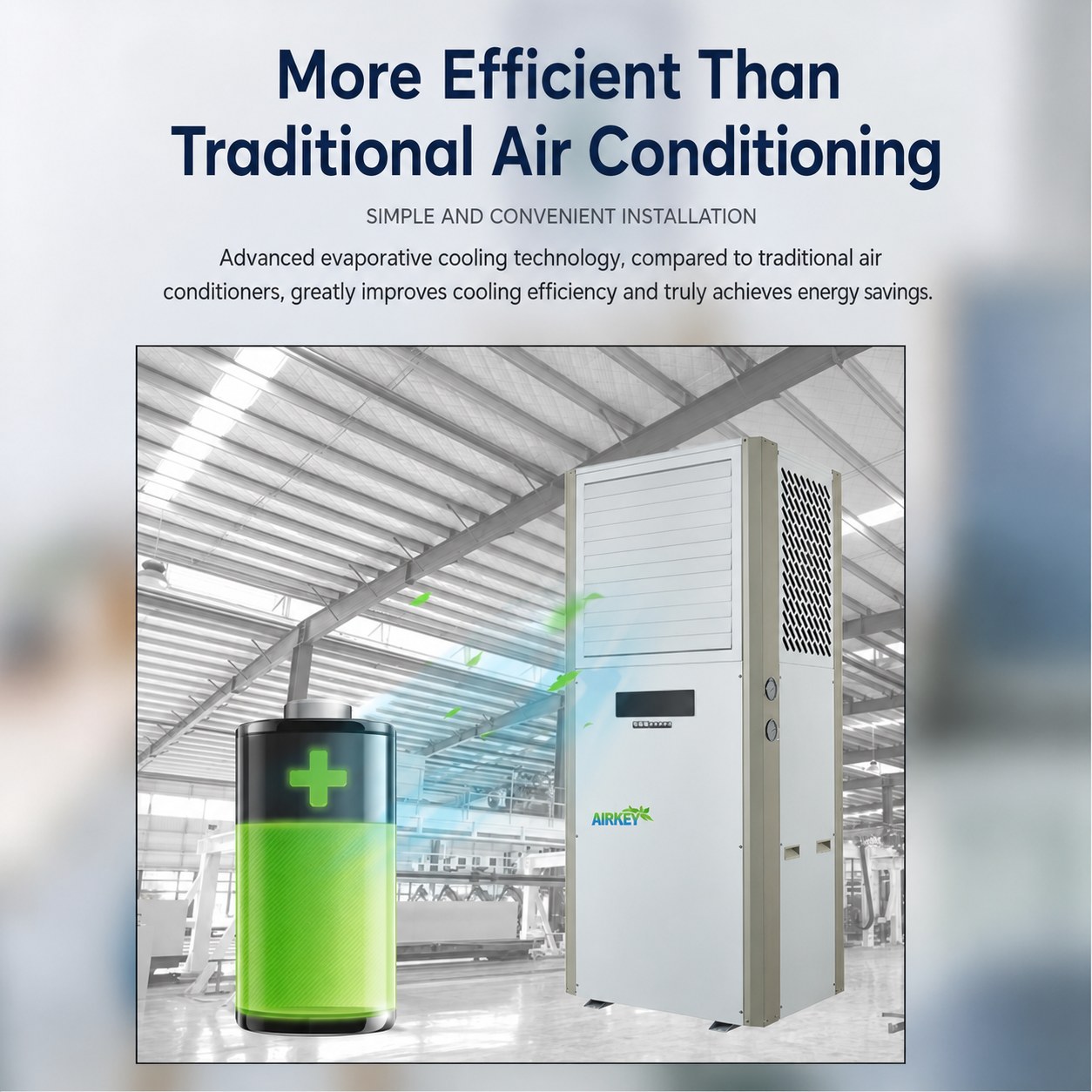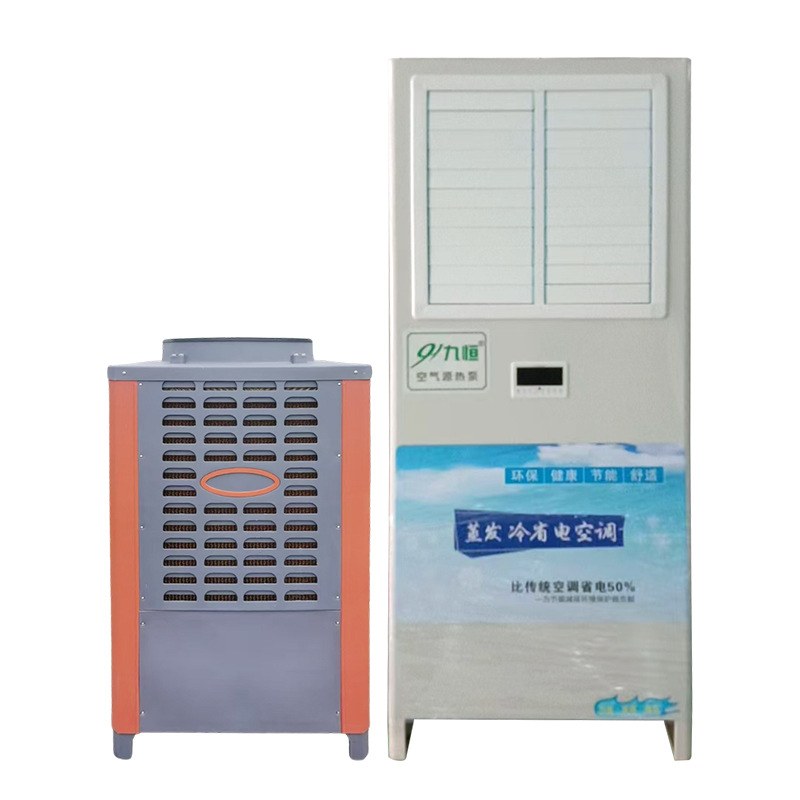
How Evaporative Cooling Reduces Workshop Cooling Costs
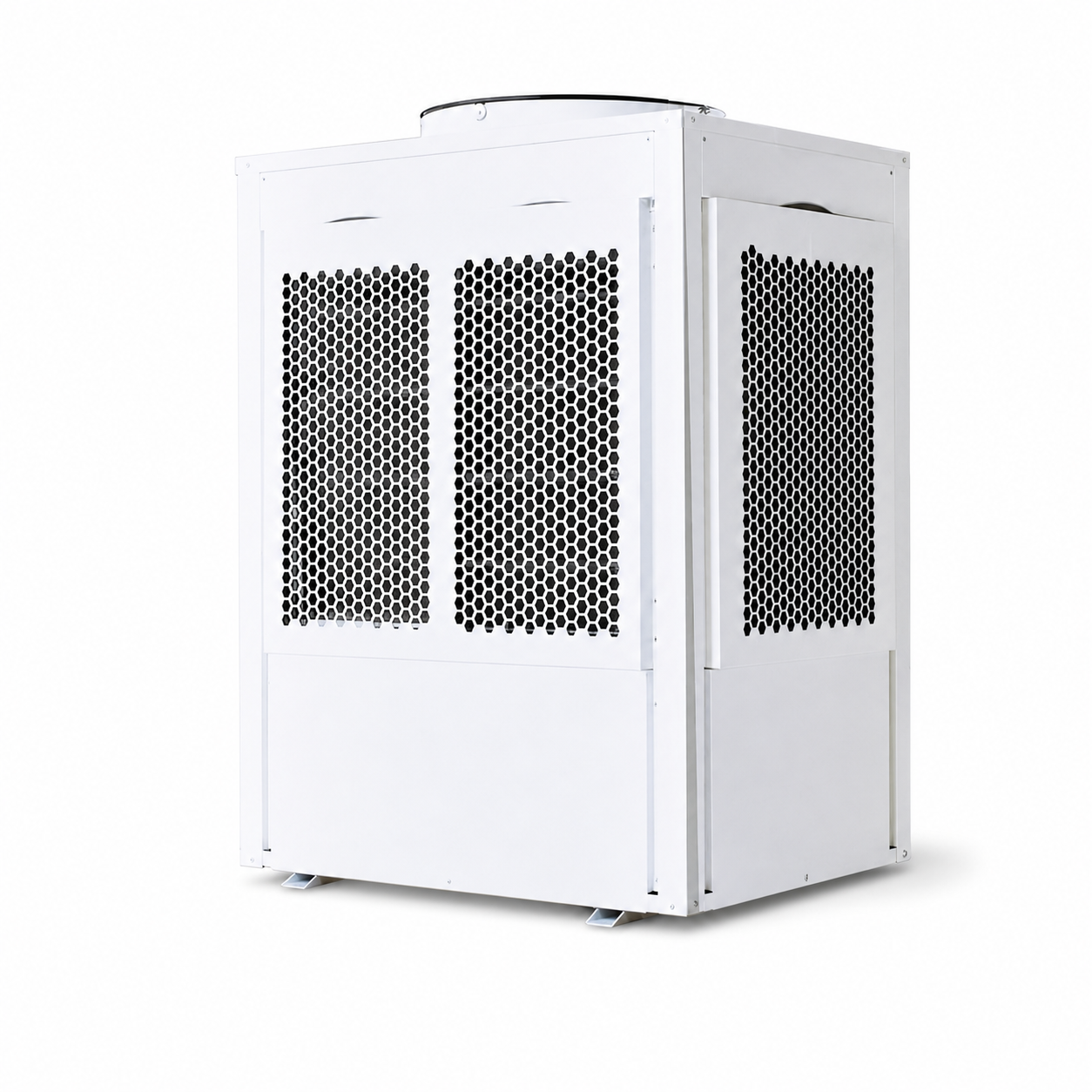
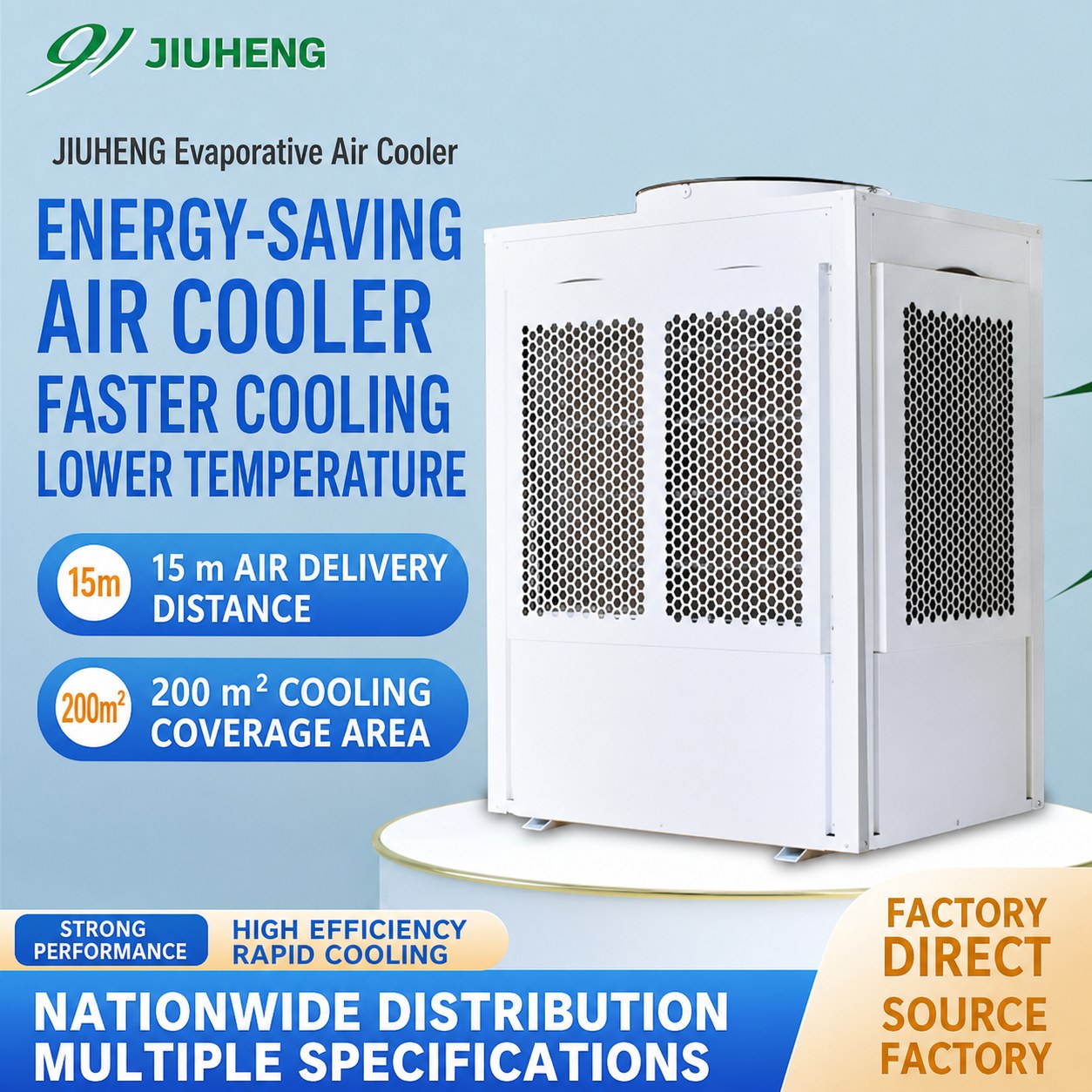
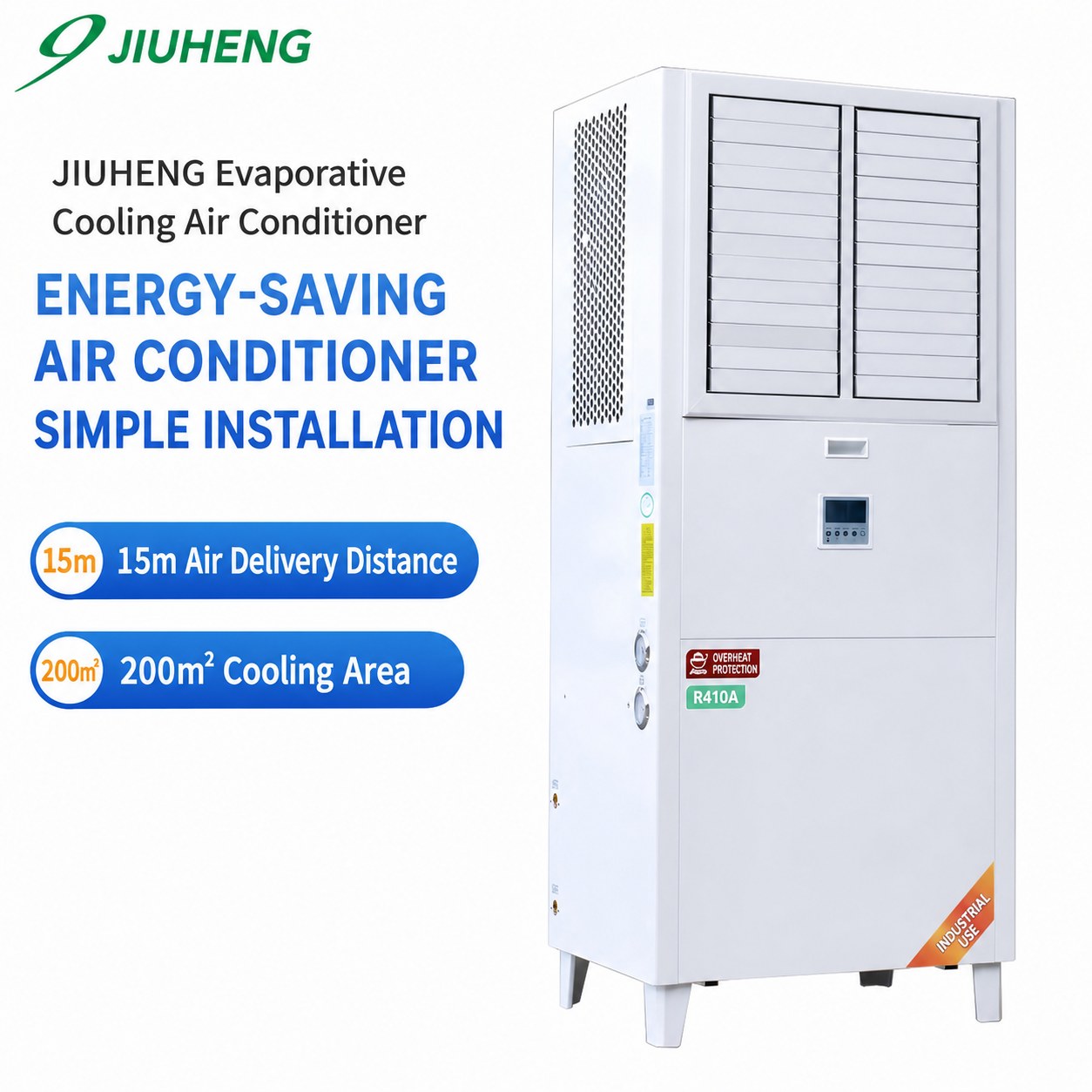
Evaporative performance depends on outdoor dry-bulb and wet-bulb conditions, airflow and exhaust. Savings claims require a site-specific comparison.
What buyers should establish first
Evaporative performance depends on outdoor dry-bulb and wet-bulb conditions, airflow and exhaust. Savings claims require a site-specific comparison.
Use the final purchase specification as the controlling document. If a requirement cannot be verified from the current product information, record it as an open item and confirm it with the supplier based on the final specification.
industrial evaporative cooling: selection and review criteria
| Review item | Buyer action |
|---|---|
| Design conditions and required output | Define it in measurable terms |
| System configuration and interfaces | Request the applicable drawing or record |
| Comparable efficiency or capacity basis | Match it to the intended site conditions |
| Installation and service requirements | State acceptance criteria before production |
| Documents needed for purchasing review | Reconcile it with the purchase order |
Recommended purchasing workflow
- Define the application and load. Record the responsible party, required evidence and approval status so commercial and technical teams work from the same revision.
- Collect site and utility data. Record the responsible party, required evidence and approval status so commercial and technical teams work from the same revision.
- Compare products on the same rating basis. Record the responsible party, required evidence and approval status so commercial and technical teams work from the same revision.
- Review system accessories and responsibilities. Record the responsible party, required evidence and approval status so commercial and technical teams work from the same revision.
- Approve the specification and inspection plan. Record the responsible party, required evidence and approval status so commercial and technical teams work from the same revision.
Common sourcing mistakes
- Comparing only nominal capacity or horsepower. Avoid it by resolving the requirement in writing before the order reaches final production or packing.
- Using unverified performance claims. Avoid it by resolving the requirement in writing before the order reaches final production or packing.
- Leaving installation scope and documentation until after purchase. Avoid it by resolving the requirement in writing before the order reaches final production or packing.
Related site resources
Buyer FAQs
What information should a buyer send first?
Send the application, design conditions, required output, utilities, quantity and destination for the industrial evaporative cooling review.
Can catalog data replace project sizing?
No. Catalog information supports screening; final selection should reflect the actual load and operating conditions.
Should the lowest purchase price decide the order?
Compare total scope, controls, accessories, documents, service access and expected operating conditions.
How should performance claims be checked?
Ask for the rating basis and applicable records for the exact model and configuration.
When should compliance requirements be discussed?
Before quotation and again before production release, because the final market and product classification matter.
Prepare your inquiry
For a review related to industrial evaporative cooling, submit the product type, required capacity or size, operating environment, customization requirements, estimated quantity, packaging expectations, destination country and requested delivery window. Include drawings or schedules when available so open assumptions can be identified before quotation.
A complete specification is the most reliable way to compare suppliers and move a project toward production without avoidable revisions.