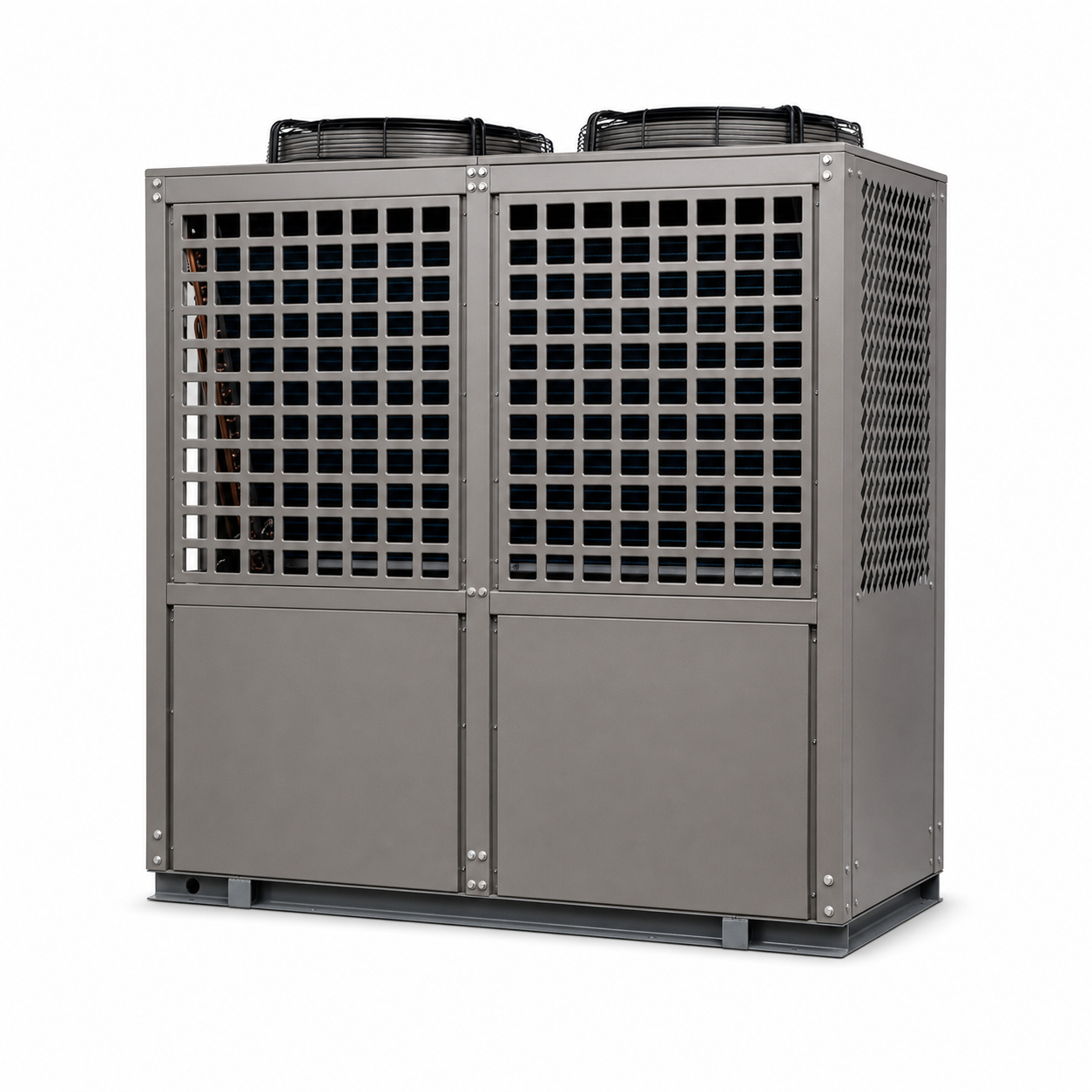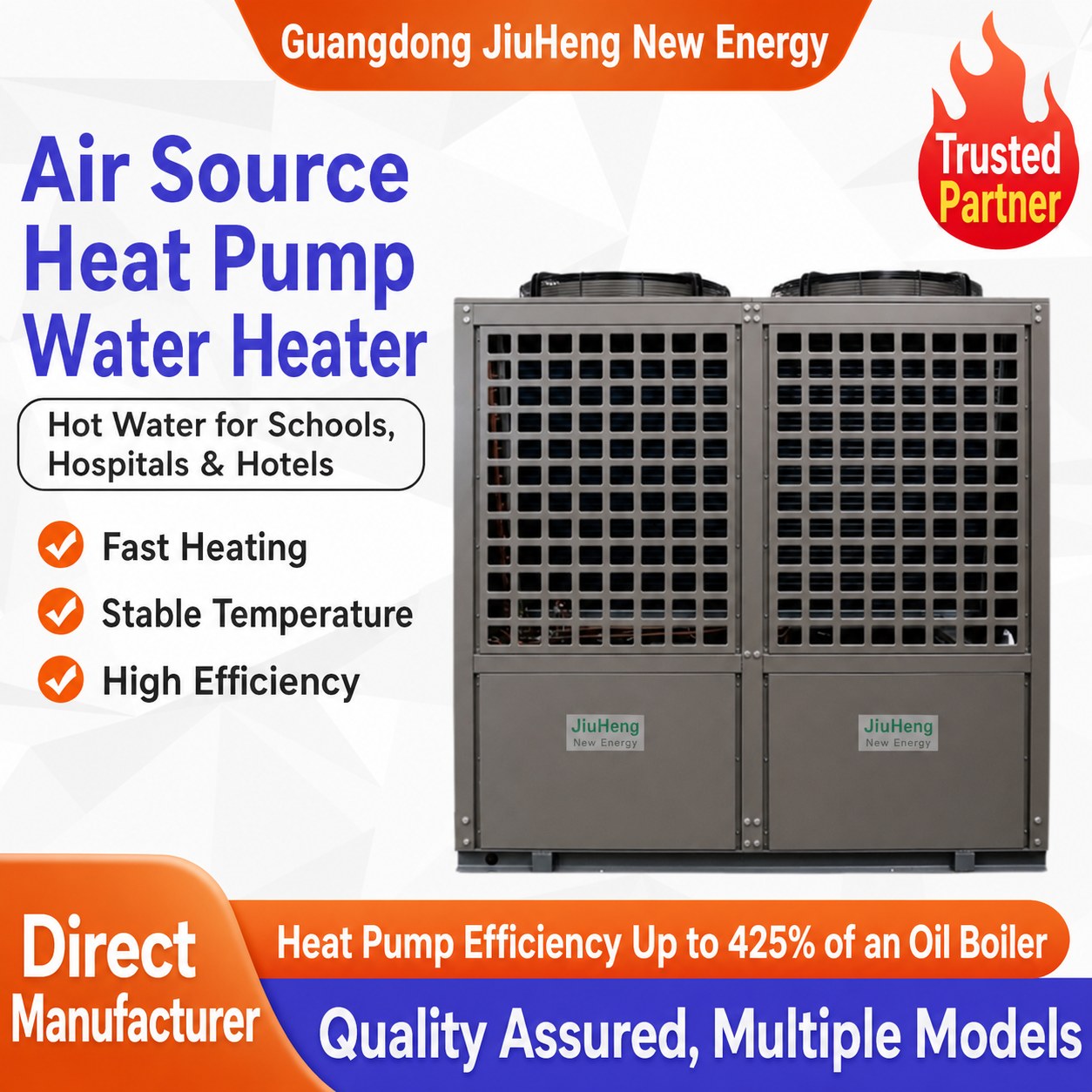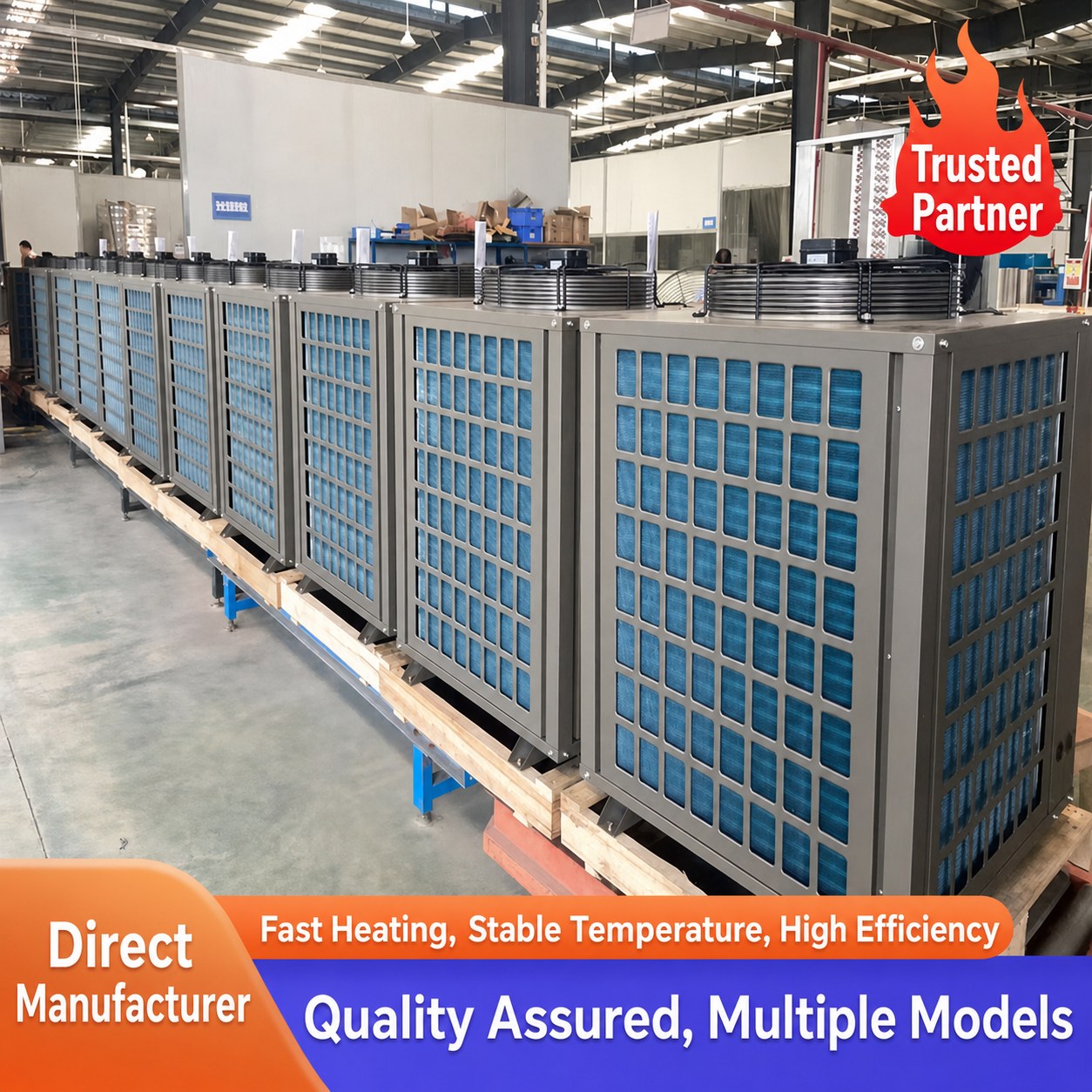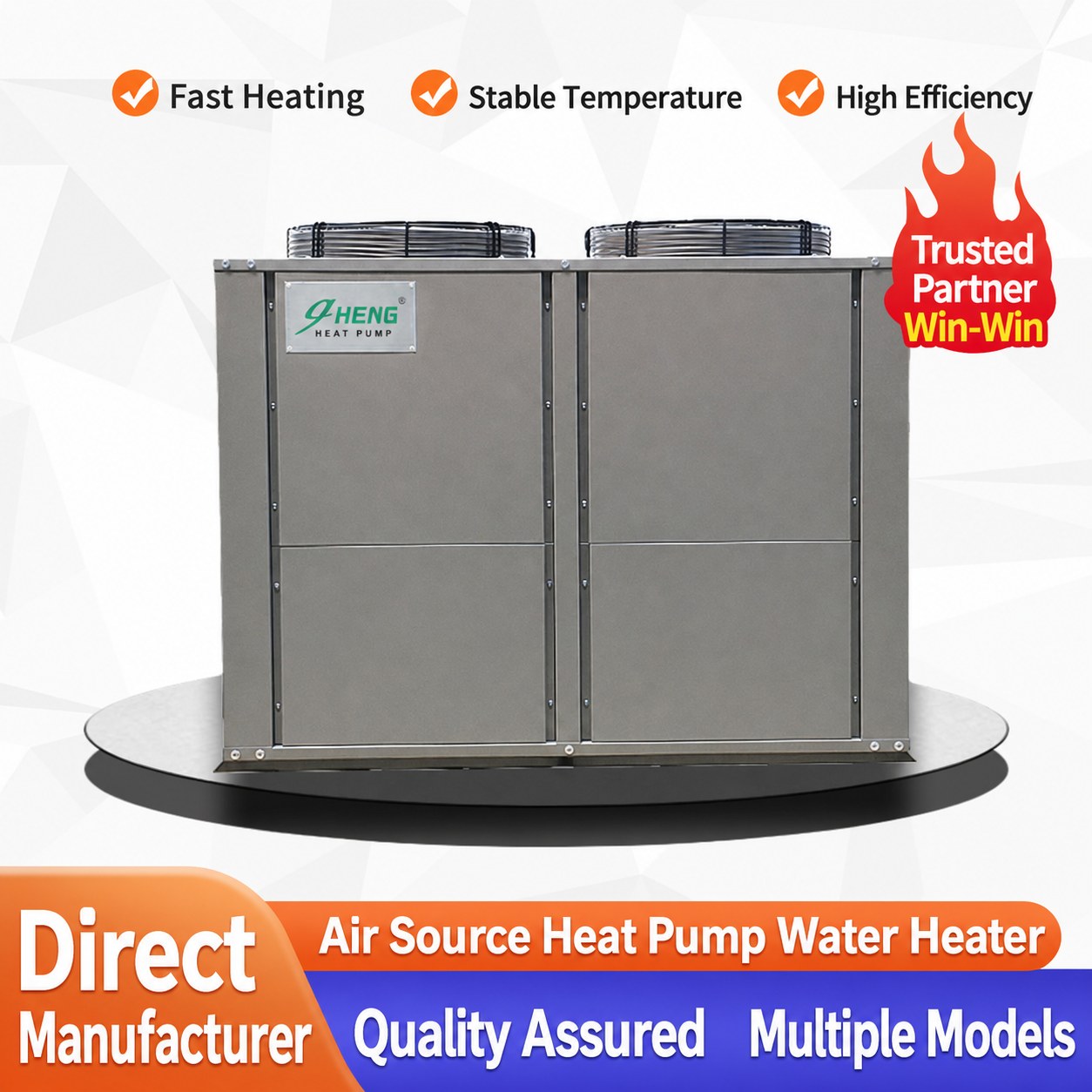
Inside JiuHeng’s Air Source Heat Pump Production Workflow
A buyer-focused look at the information flow behind air source heat pump production, from the approved specification to assembly records and shipment review.
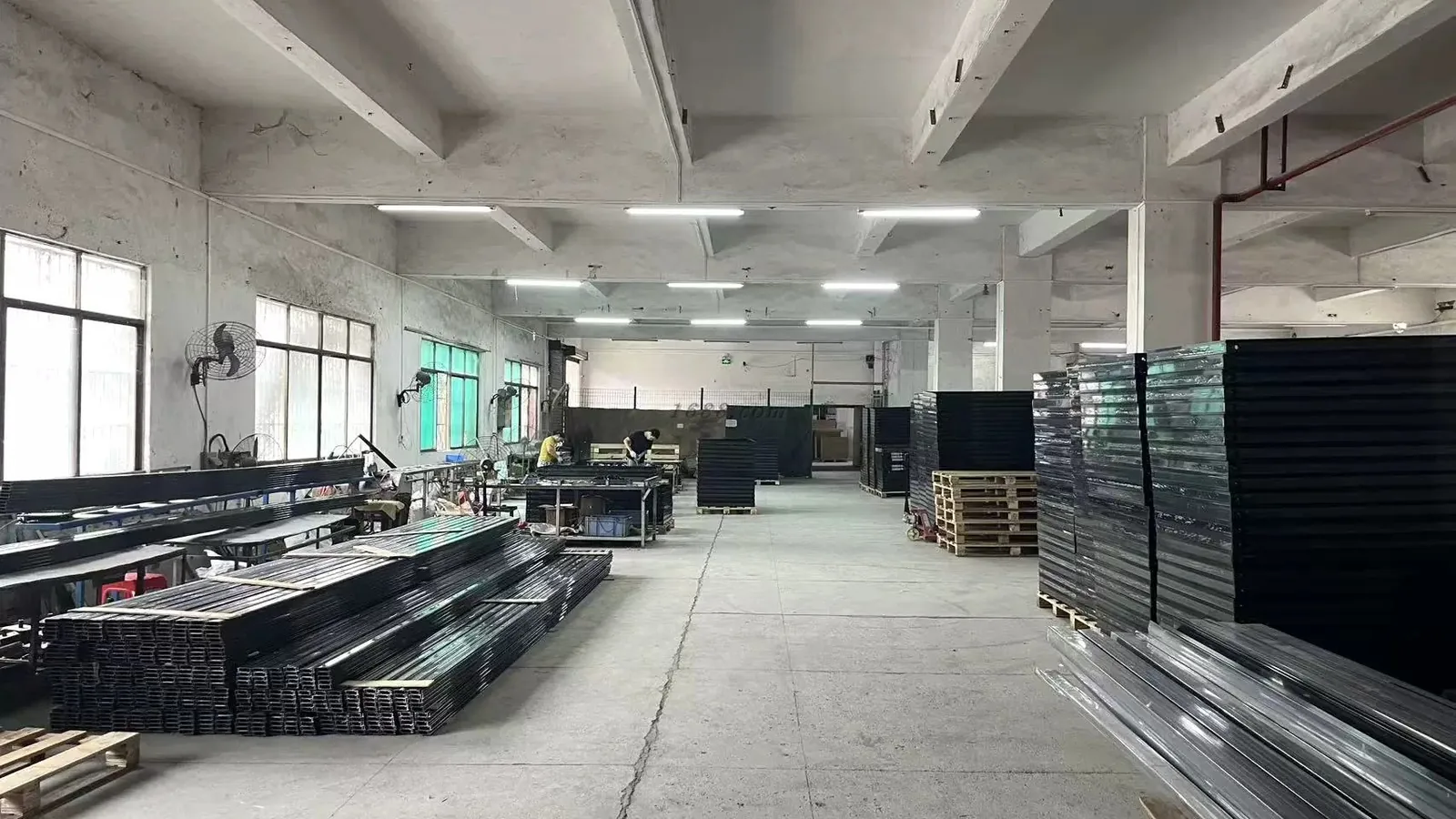
What buyers should establish first
Commercial heat pump projects are configuration-driven. A useful production review therefore begins with the approved duty conditions, electrical requirements, water temperatures, installation environment and control expectations—not with the finished cabinet.
Use the final purchase specification as the controlling document. If a requirement cannot be verified from the current product information, record it as an open item and confirm it with the supplier based on the final specification.
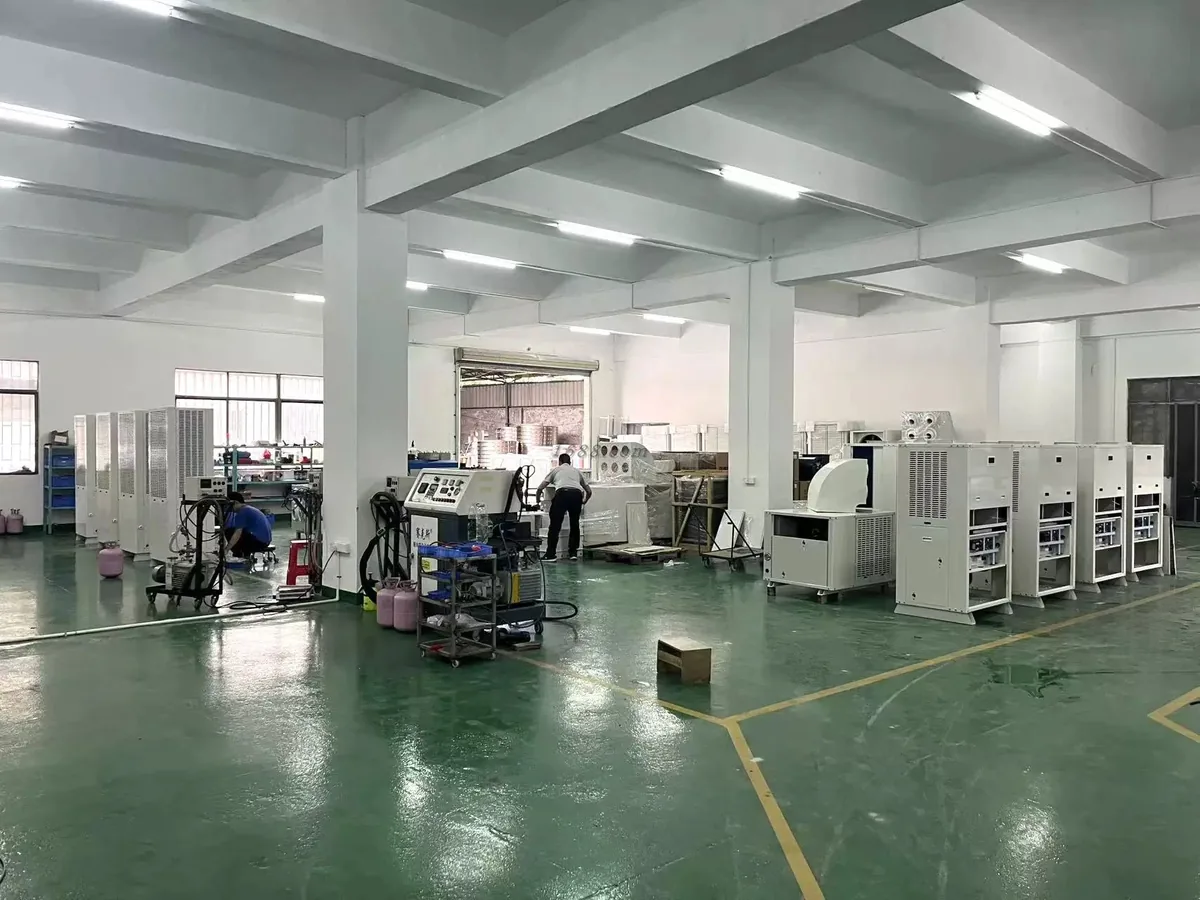
air source heat pump production: selection and review criteria
| Review item | Buyer action |
|---|---|
| Approved specification and revision control | Define it in measurable terms |
| Visible component identification and traceability | Request the applicable drawing or record |
| Refrigerant-circuit and water-circuit workmanship | Match it to the intended site conditions |
| Electrical layout and control labeling | State acceptance criteria before production |
| Recorded checks before packing | Reconcile it with the purchase order |
Recommended purchasing workflow
- Freeze the buyer-approved project specification. Record the responsible party, required evidence and approval status so commercial and technical teams work from the same revision.
- Match components and controls to the approved configuration. Record the responsible party, required evidence and approval status so commercial and technical teams work from the same revision.
- Assemble the refrigeration, water and electrical systems. Record the responsible party, required evidence and approval status so commercial and technical teams work from the same revision.
- Perform the applicable production and functional checks. Record the responsible party, required evidence and approval status so commercial and technical teams work from the same revision.
- Review labels, accessories, documents and packing. Record the responsible party, required evidence and approval status so commercial and technical teams work from the same revision.
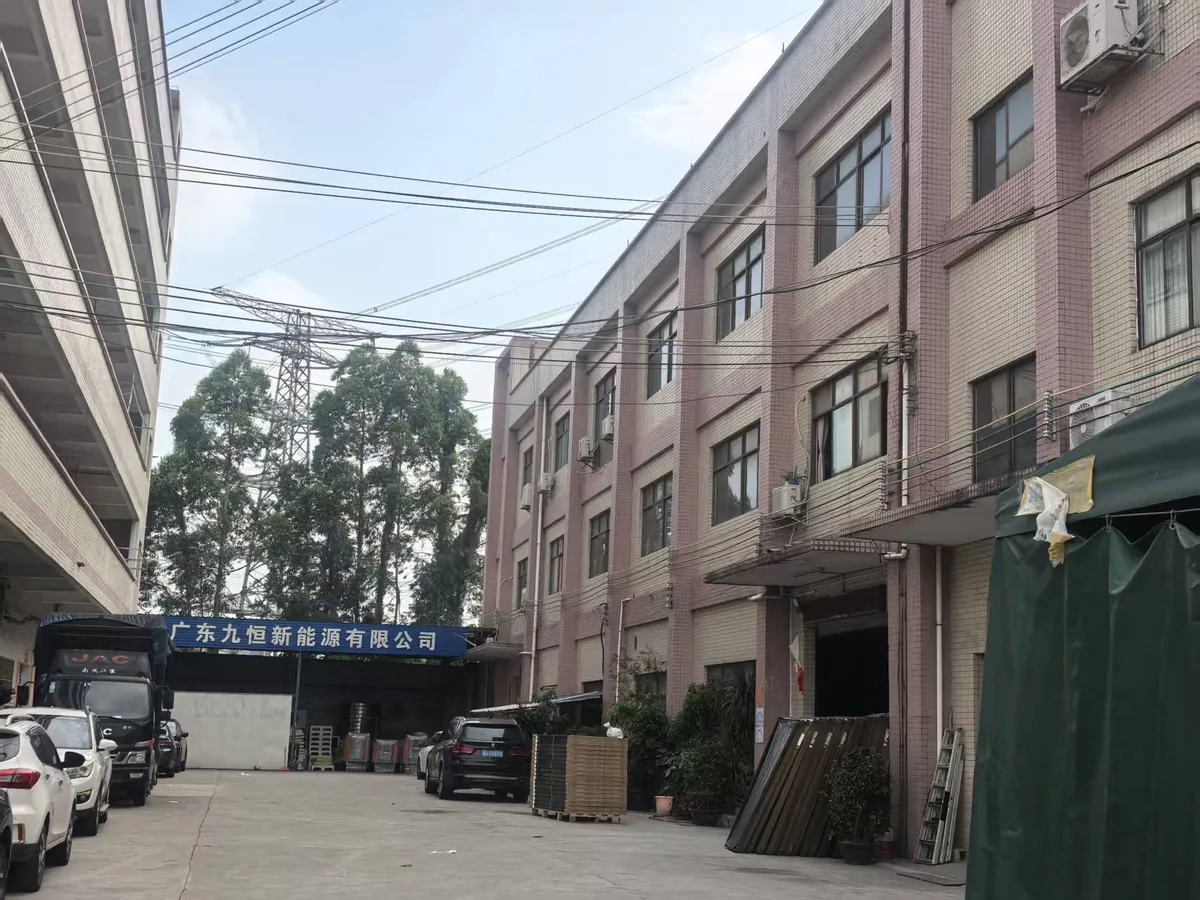
Common sourcing mistakes
- Approving only a model name without duty conditions. Avoid it by resolving the requirement in writing before the order reaches final production or packing.
- Changing voltage or controls after production starts. Avoid it by resolving the requirement in writing before the order reaches final production or packing.
- Treating factory photographs as substitutes for inspection records. Avoid it by resolving the requirement in writing before the order reaches final production or packing.
Related site resources
Buyer FAQs
Can one model fit every climate?
No. Capacity and operating range should be confirmed against the project’s ambient and water-temperature conditions.
Should buyers request a wiring diagram?
Yes, when it is part of the agreed documentation package. Confirm the required language and revision before production.
Is a factory inspection always required?
The inspection method should reflect order value and risk. It may include document review, remote inspection or an agreed third-party visit.
When should spare parts be discussed?
Before the final quotation, so recommended service parts can be identified for the actual configuration.
What should be checked before shipment?
Verify the model, voltage, quantity, accessories, labels, packing marks and agreed documents against the purchase order.
Prepare your inquiry
For a review related to air source heat pump production, submit the product type, required capacity or size, operating environment, customization requirements, estimated quantity, packaging expectations, destination country and requested delivery window. Include drawings or schedules when available so open assumptions can be identified before quotation.
A complete specification is the most reliable way to compare suppliers and move a project toward production without avoidable revisions.