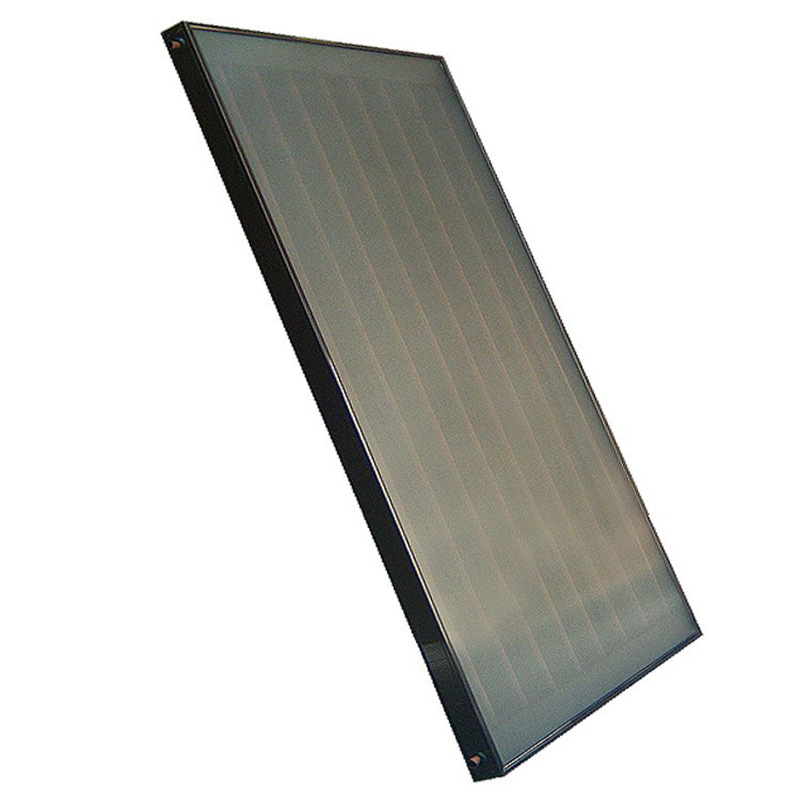
How JiuHeng Prepares Equipment for Bulk Export Orders
The commercial checks buyers should coordinate before heating, cooling or solar equipment is released for international shipment.

What buyers should establish first
Export preparation connects three documents: the approved specification, the purchase order and the packing list. Differences should be resolved before equipment is closed and loaded.
Use the final purchase specification as the controlling document. If a requirement cannot be verified from the current product information, record it as an open item and confirm it with the supplier based on the final specification.
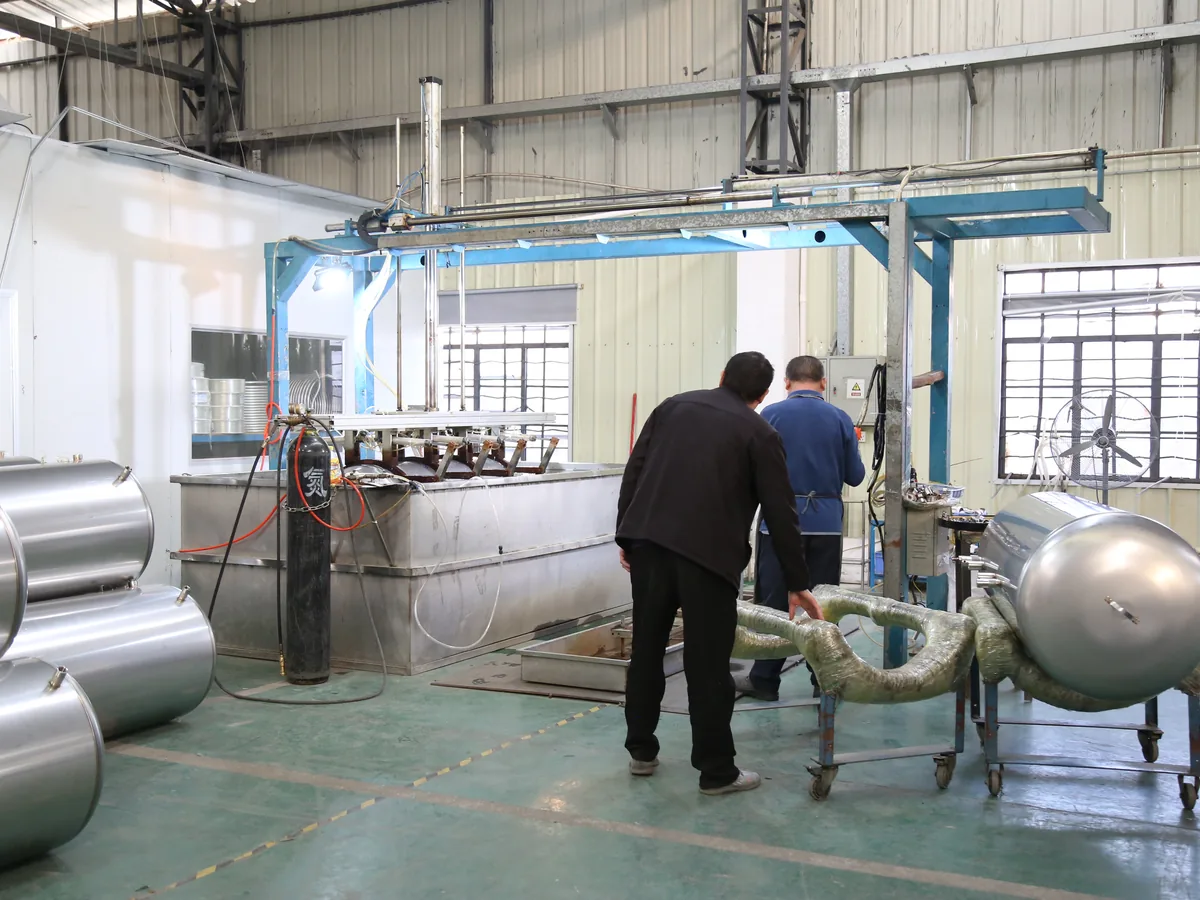
bulk equipment export preparation: selection and review criteria
| Review item | Buyer action |
|---|---|
| Model, voltage and quantity reconciliation | Define it in measurable terms |
| Accessories and loose-part identification | Request the applicable drawing or record |
| Packing protection and handling marks | Match it to the intended site conditions |
| Commercial and technical document list | State acceptance criteria before production |
| Country-of-origin and destination requirements | Reconcile it with the purchase order |
Recommended purchasing workflow
- Complete the agreed pre-shipment review. Record the responsible party, required evidence and approval status so commercial and technical teams work from the same revision.
- Reconcile serial or model identification where applicable. Record the responsible party, required evidence and approval status so commercial and technical teams work from the same revision.
- Pack equipment and accessories for the agreed transport method. Record the responsible party, required evidence and approval status so commercial and technical teams work from the same revision.
- Prepare the packing and shipping document set. Record the responsible party, required evidence and approval status so commercial and technical teams work from the same revision.
- Release the order only after discrepancies are closed. Record the responsible party, required evidence and approval status so commercial and technical teams work from the same revision.

Common sourcing mistakes
- Treating retail packing as export packing. Avoid it by resolving the requirement in writing before the order reaches final production or packing.
- Leaving loose accessories unlisted. Avoid it by resolving the requirement in writing before the order reaches final production or packing.
- Assuming the supplier is the U.S. importer of record. Avoid it by resolving the requirement in writing before the order reaches final production or packing.
Related site resources
Buyer FAQs
Who confirms U.S. import requirements?
The importer of record is responsible for entry compliance and should coordinate with a customs broker and relevant agencies.
Is country-of-origin marking required?
CBP generally requires imported articles to be marked with the English name of the country of origin, subject to applicable exceptions.
Should wooden packing be discussed?
Yes. State the destination and packing method so applicable treatment and marking requirements can be reviewed.
What should appear on a packing list?
Common fields include package count, contents, net and gross weight, and dimensions, but requirements depend on the shipment.
Can documents be finalized after loading?
Drafts should be reviewed earlier. Corrections become harder after cargo release.
Prepare your inquiry
For a review related to bulk equipment export preparation, submit the product type, required capacity or size, operating environment, customization requirements, estimated quantity, packaging expectations, destination country and requested delivery window. Include drawings or schedules when available so open assumptions can be identified before quotation.
A complete specification is the most reliable way to compare suppliers and move a project toward production without avoidable revisions.