What OEM and ODM Buyers Should Include in a Project Brief
A structured briefing checklist that helps brand buyers obtain a more accurate feasibility review for custom heating and cooling equipment.
What buyers should establish first
A productive OEM or ODM discussion separates required performance from optional branding. This lets engineering, purchasing and packaging decisions be reviewed in the right order.
Use the final purchase specification as the controlling document. If a requirement cannot be verified from the current product information, record it as an open item and confirm it with the supplier based on the final specification.
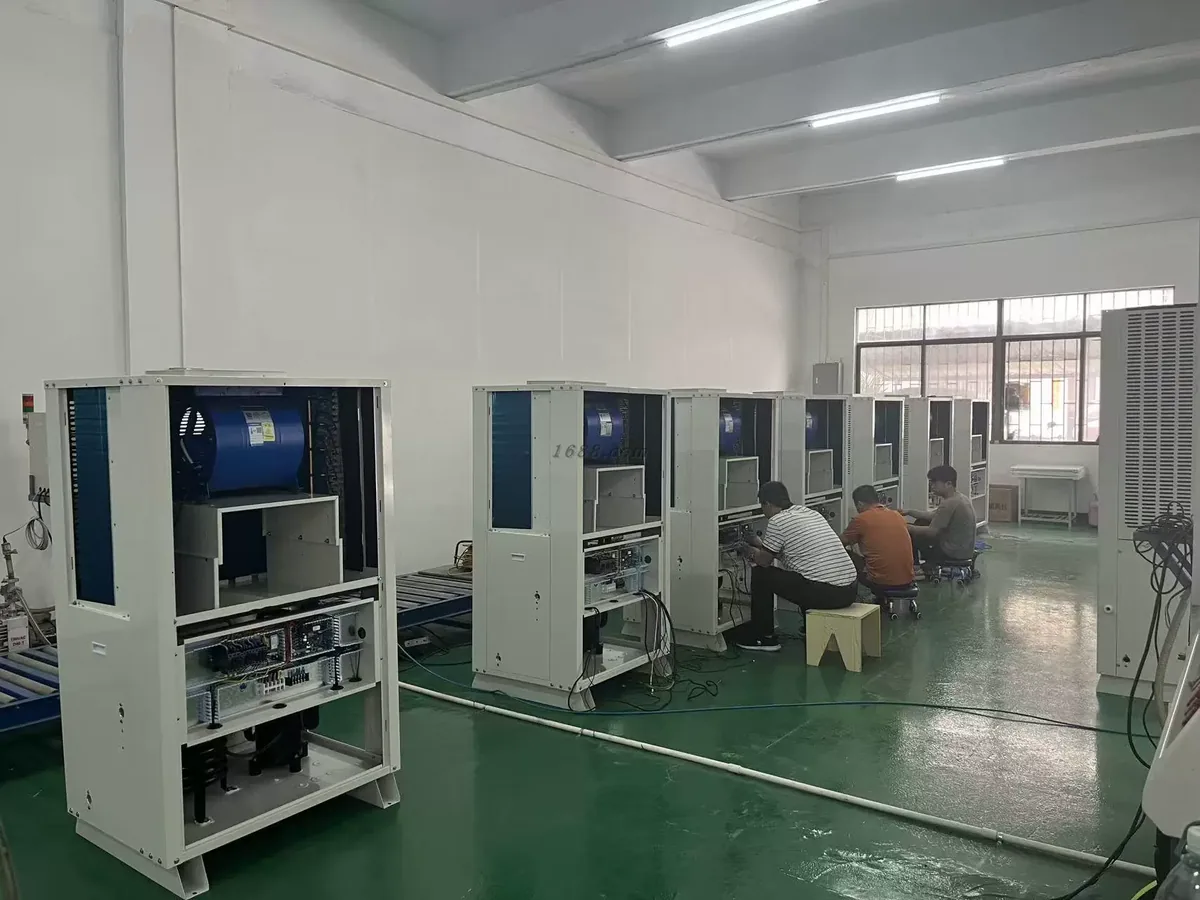
OEM ODM project brief: selection and review criteria
| Review item | Buyer action |
|---|---|
| Target application and performance conditions | Define it in measurable terms |
| Required dimensions, utilities and interfaces | Request the applicable drawing or record |
| Branding, labels, manuals and packaging | Match it to the intended site conditions |
| Target quantity and forecast assumptions | State acceptance criteria before production |
| Required market documentation and approval process | Reconcile it with the purchase order |
Recommended purchasing workflow
- Submit the use case and non-negotiable requirements. Record the responsible party, required evidence and approval status so commercial and technical teams work from the same revision.
- Identify preferred options and acceptable alternatives. Record the responsible party, required evidence and approval status so commercial and technical teams work from the same revision.
- Review feasibility and open technical questions. Record the responsible party, required evidence and approval status so commercial and technical teams work from the same revision.
- Approve the final specification and artwork. Record the responsible party, required evidence and approval status so commercial and technical teams work from the same revision.
- Confirm inspection, packing and document requirements. Record the responsible party, required evidence and approval status so commercial and technical teams work from the same revision.

Common sourcing mistakes
- Sending only a reference photograph. Avoid it by resolving the requirement in writing before the order reaches final production or packing.
- Requesting a price before fixing the specification. Avoid it by resolving the requirement in writing before the order reaches final production or packing.
- Assuming certification can be transferred between configurations. Avoid it by resolving the requirement in writing before the order reaches final production or packing.
Related site resources
Buyer FAQs
What is the difference between OEM and ODM?
OEM usually applies buyer branding to an agreed product, while ODM may involve deeper product adaptation. Scope must be defined for each project.
When is a sample appropriate?
A sample or prototype is useful when appearance, interfaces or performance require validation. Confirm feasibility and cost for the final specification.
Can existing tooling always be reused?
Not necessarily. Dimensions, cabinet design and order volume affect the tooling approach.
When should packaging artwork be approved?
Before production packing begins, with final model names, marks and required languages confirmed.
How is MOQ determined?
It depends on the model, customization depth, materials and packaging. Confirm with the supplier based on the final specification.
Prepare your inquiry
For a review related to OEM ODM project brief, submit the product type, required capacity or size, operating environment, customization requirements, estimated quantity, packaging expectations, destination country and requested delivery window. Include drawings or schedules when available so open assumptions can be identified before quotation.
A complete specification is the most reliable way to compare suppliers and move a project toward production without avoidable revisions.