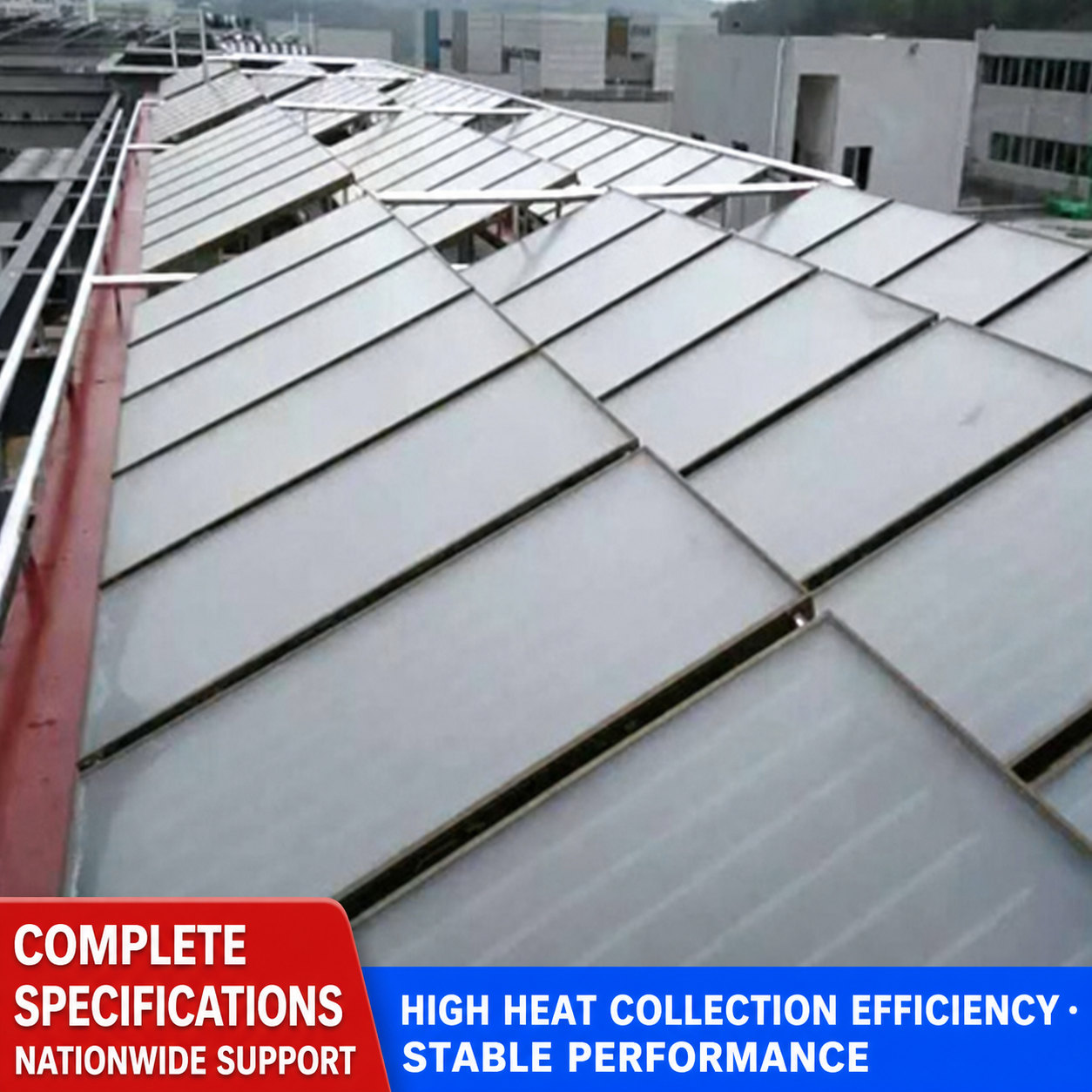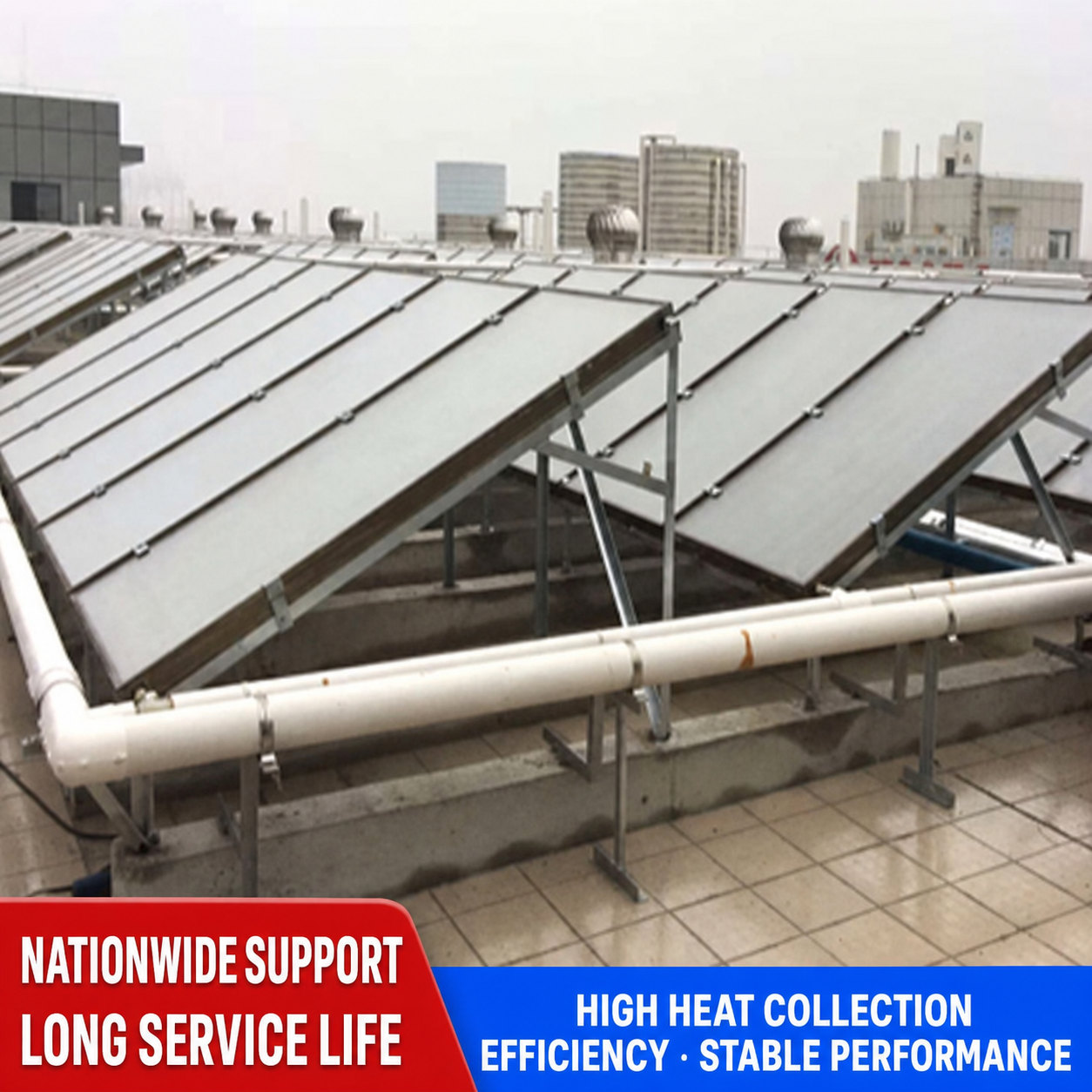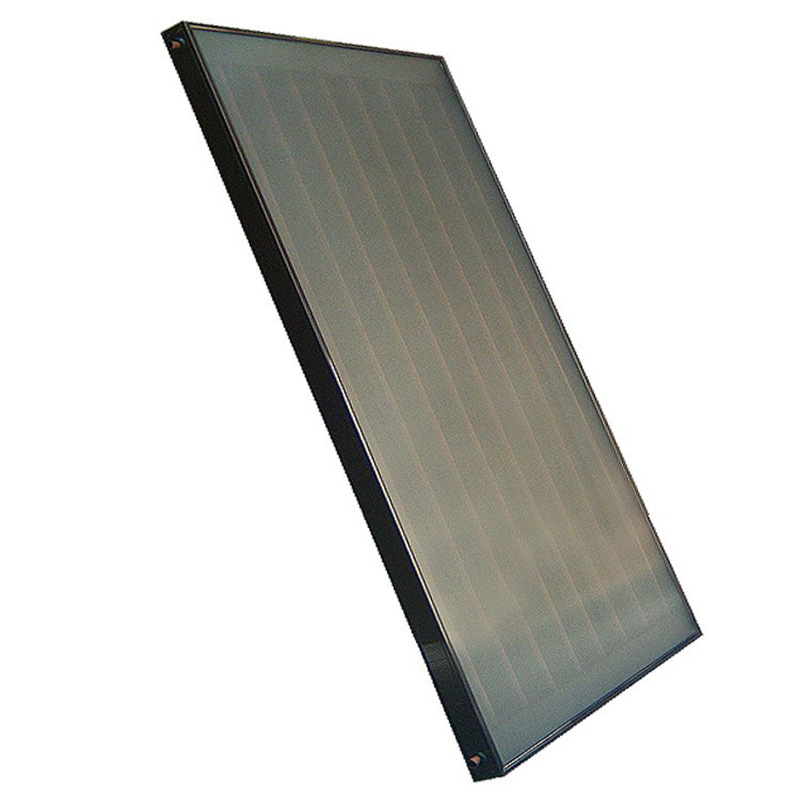
Inside the Flat Plate Solar Collector Assembly Process
What project buyers can review when sourcing flat plate solar collectors for commercial water-heating systems.
What buyers should establish first
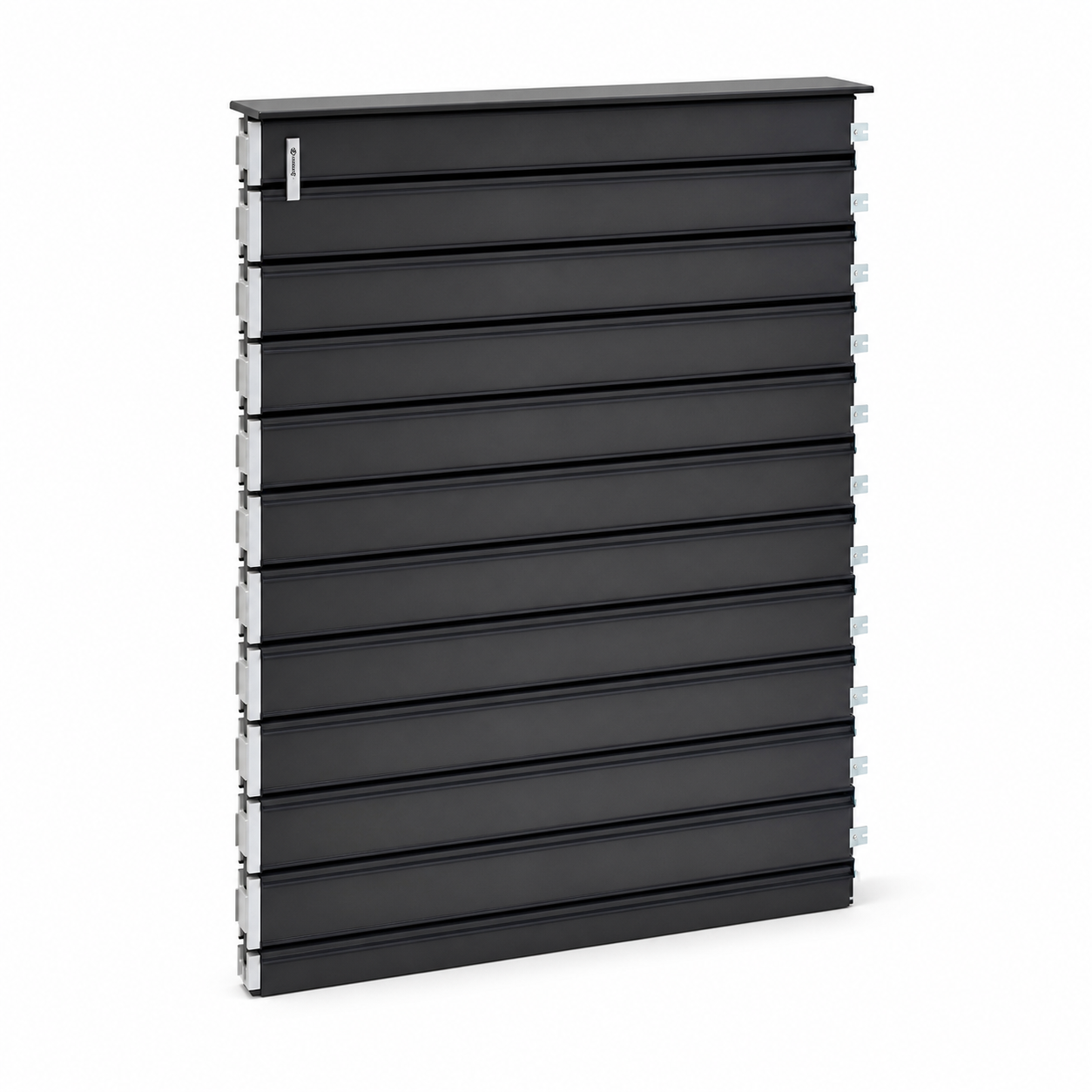
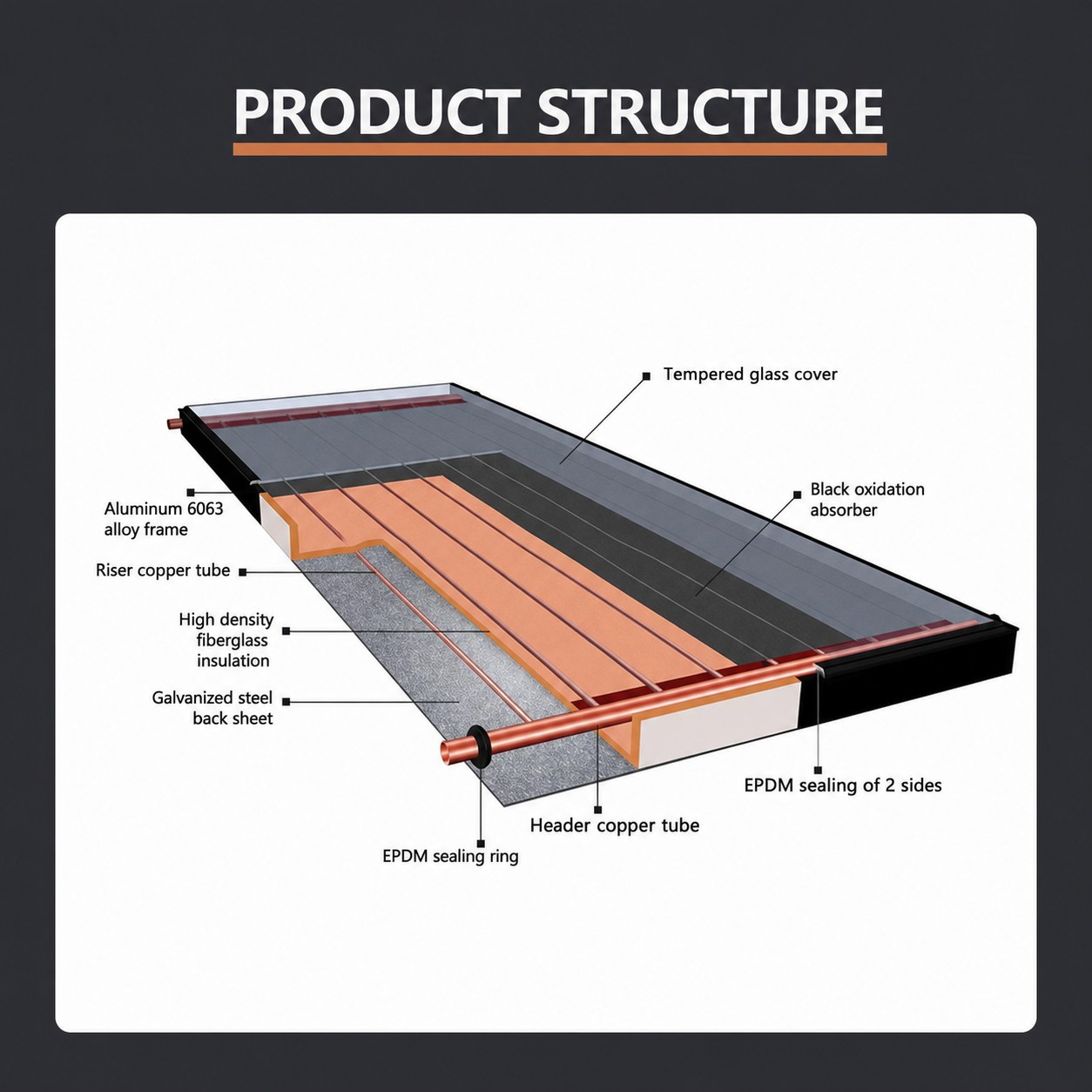
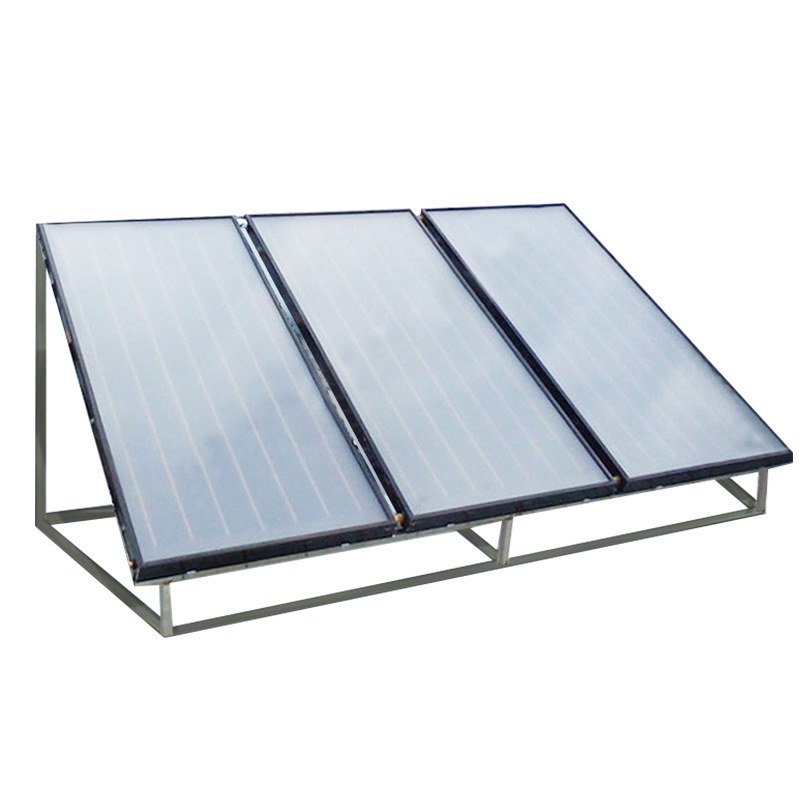
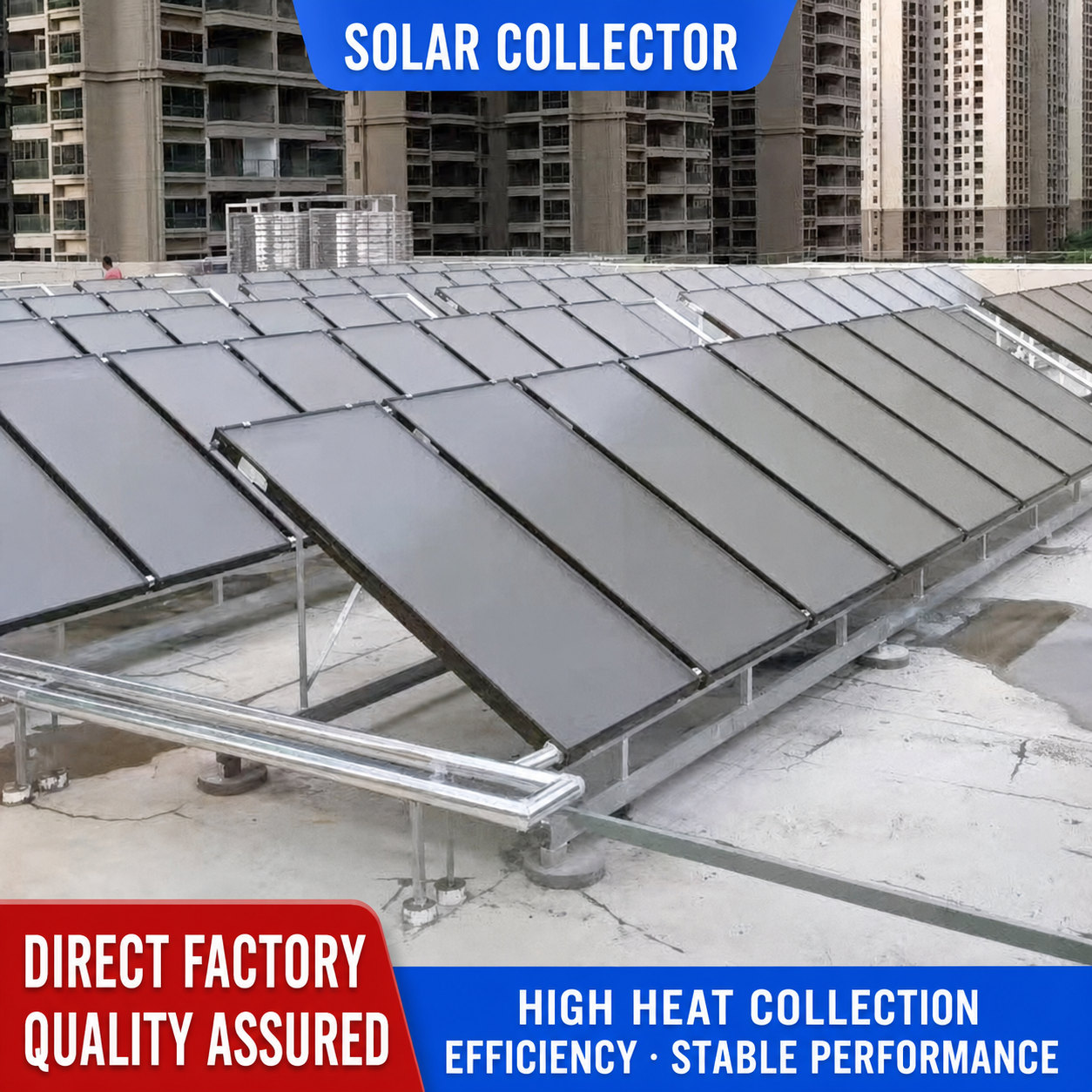
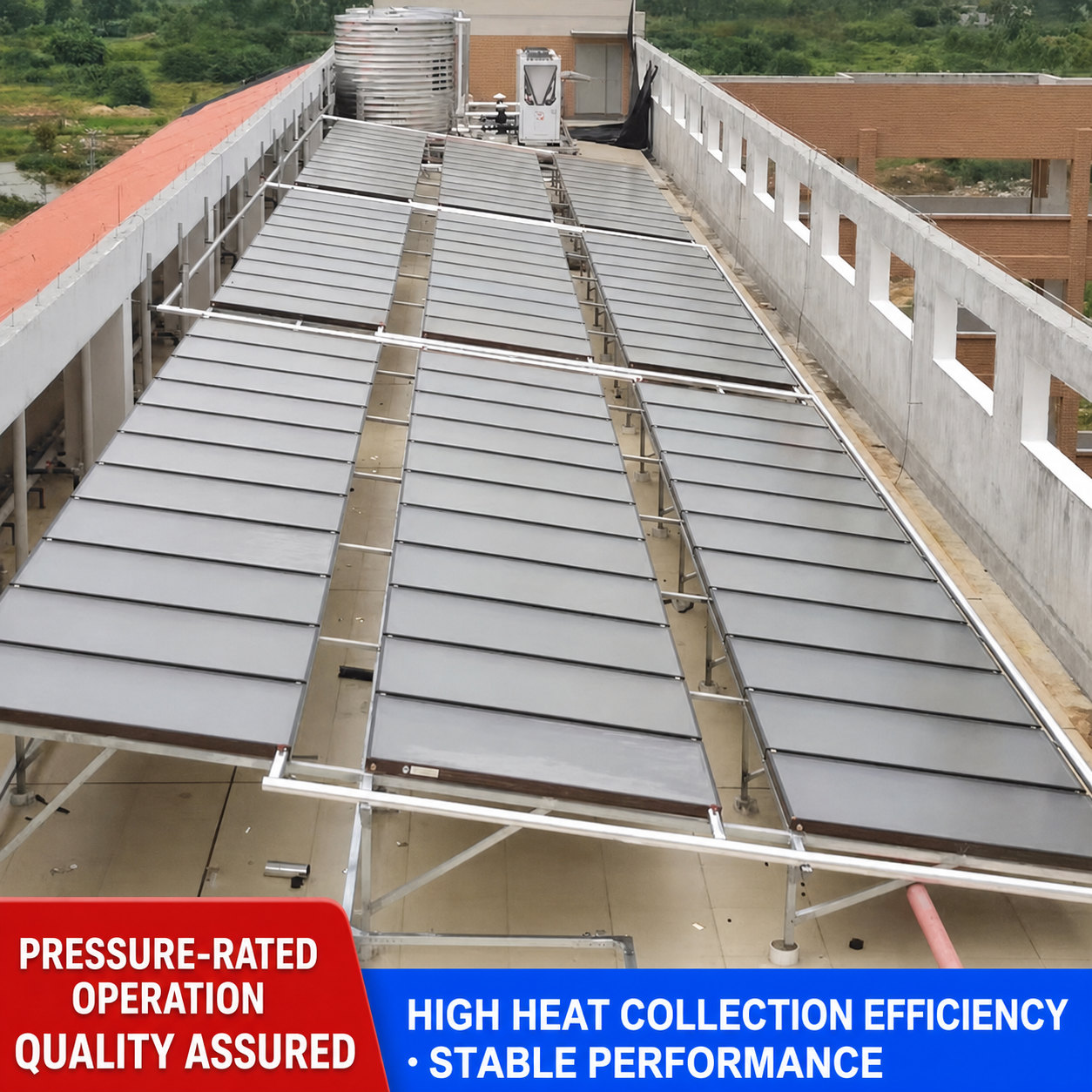
Collector appearance alone does not establish system suitability. Buyers should connect the visible assembly to the approved absorber, glazing, casing, connection layout and installation plan.
Use the final purchase specification as the controlling document. If a requirement cannot be verified from the current product information, record it as an open item and confirm it with the supplier based on the final specification.
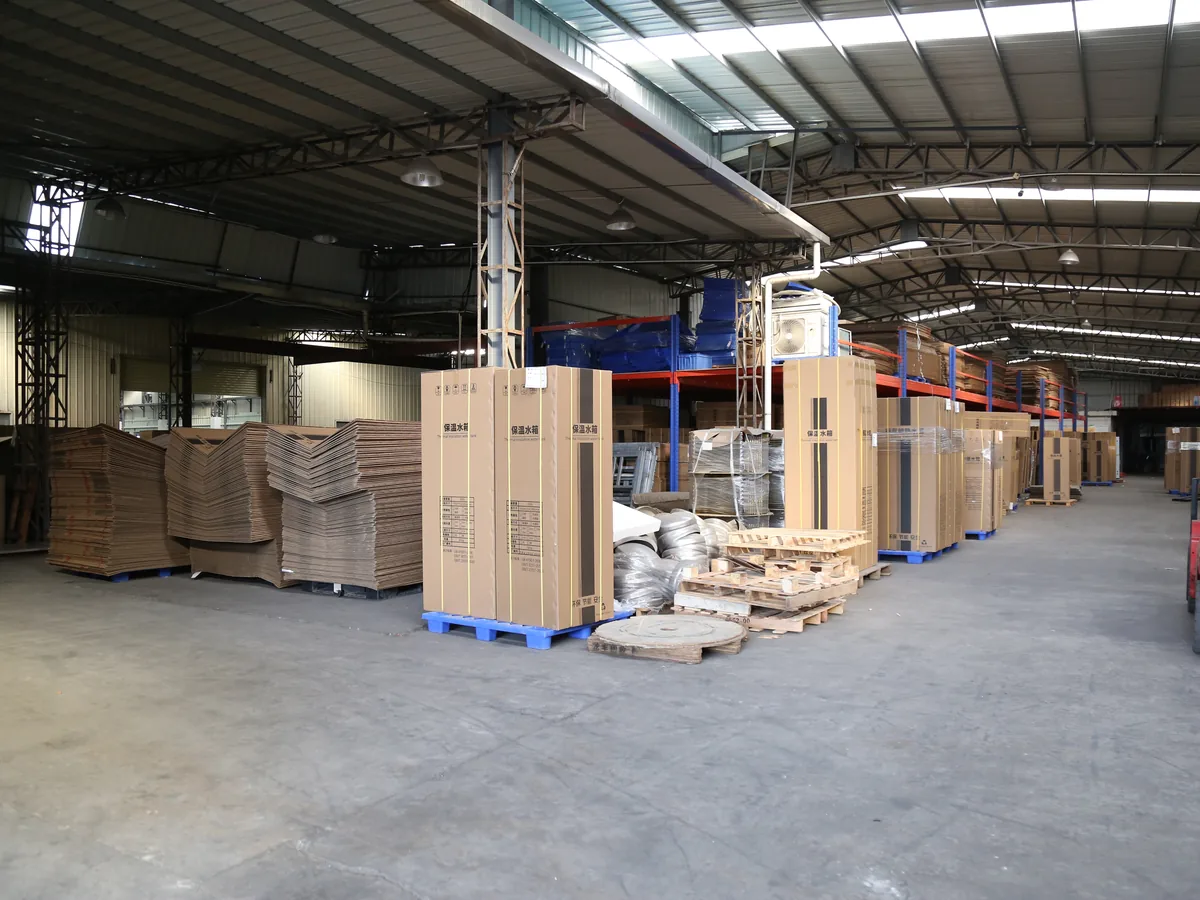
flat plate solar collector assembly: selection and review criteria
| Review item | Buyer action |
|---|---|
| Collector dimensions and connection orientation | Define it in measurable terms |
| Absorber and coating specification stated by the supplier | Request the applicable drawing or record |
| Glazing, insulation and casing construction | Match it to the intended site conditions |
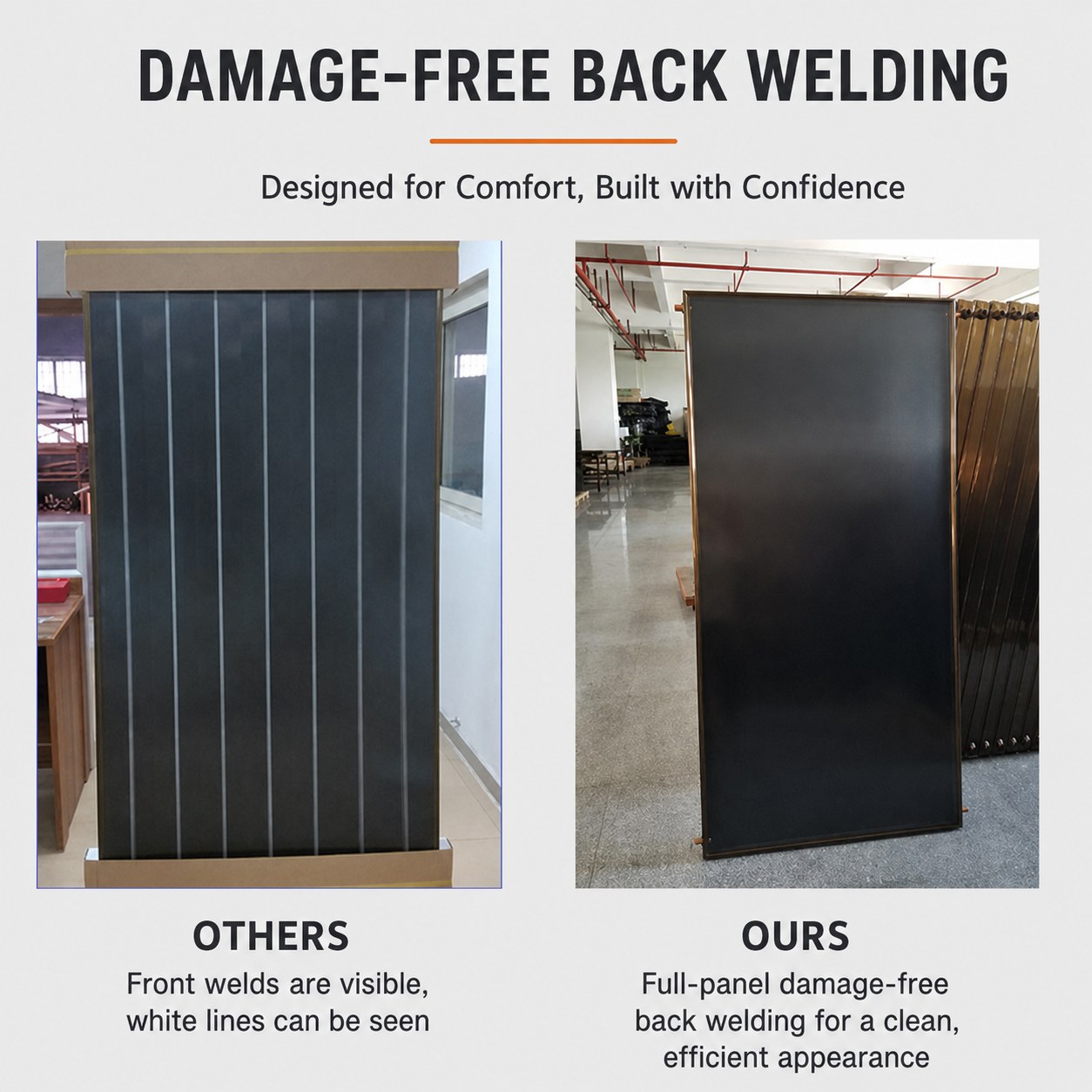
| Frame sealing and visible workmanship | State acceptance criteria before production |
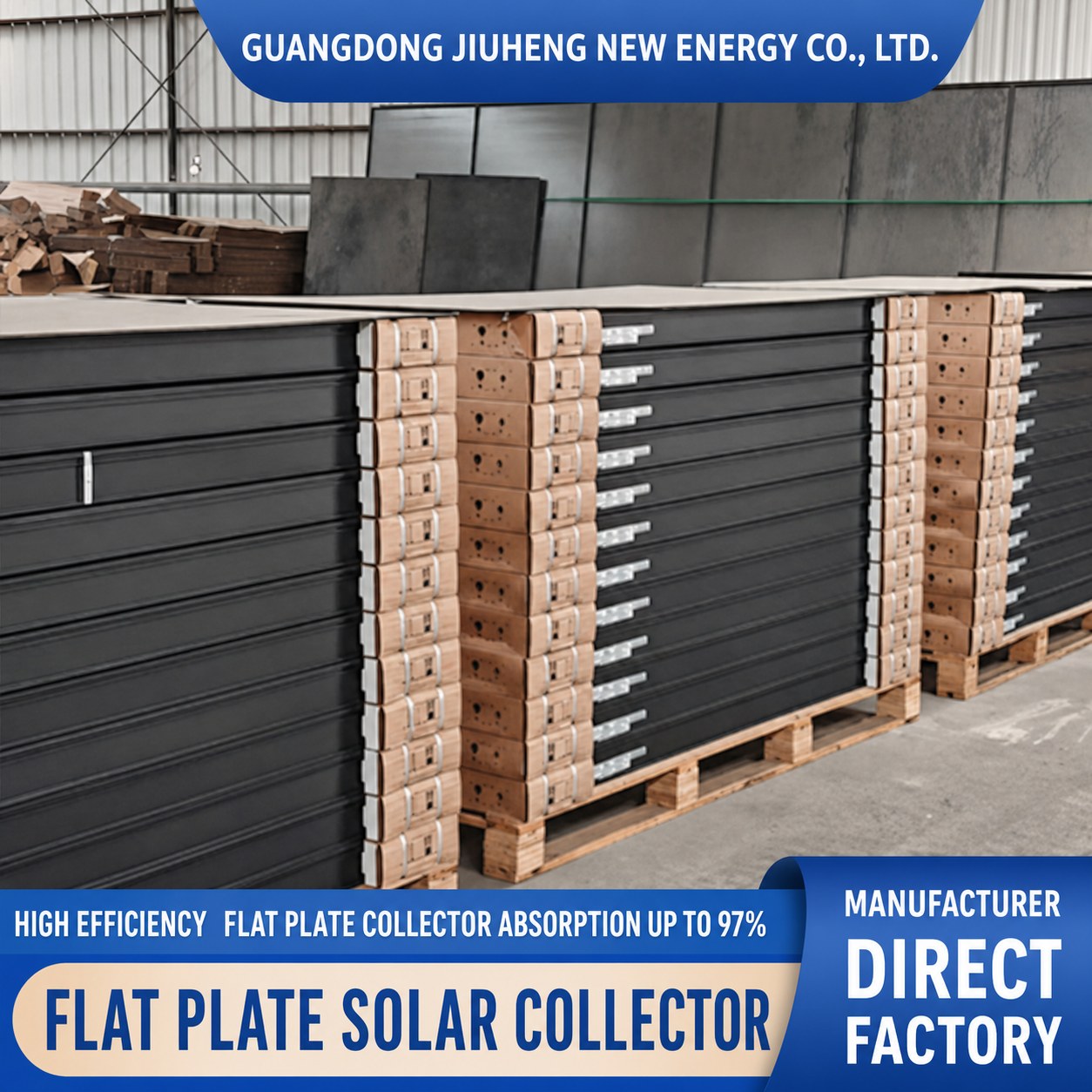
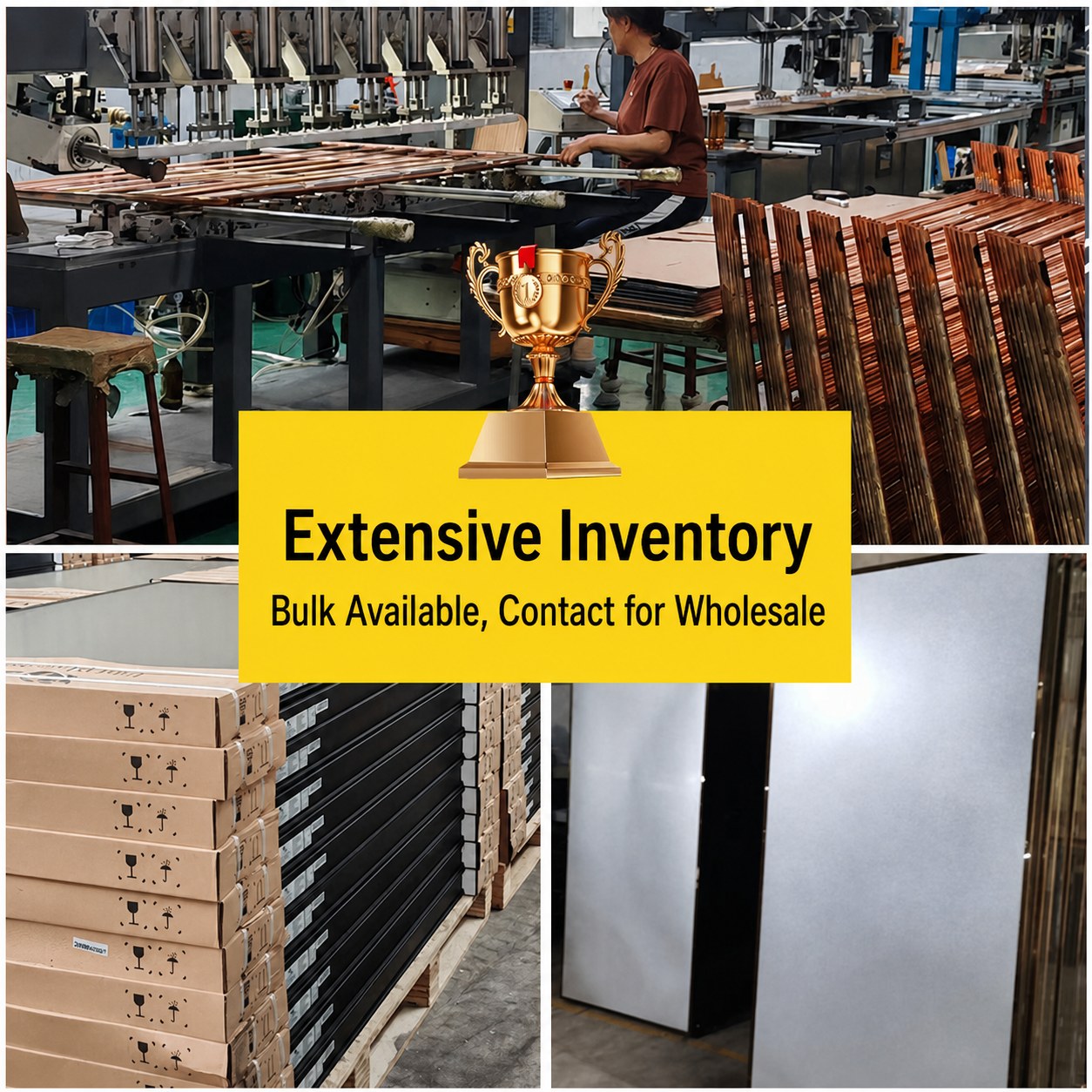
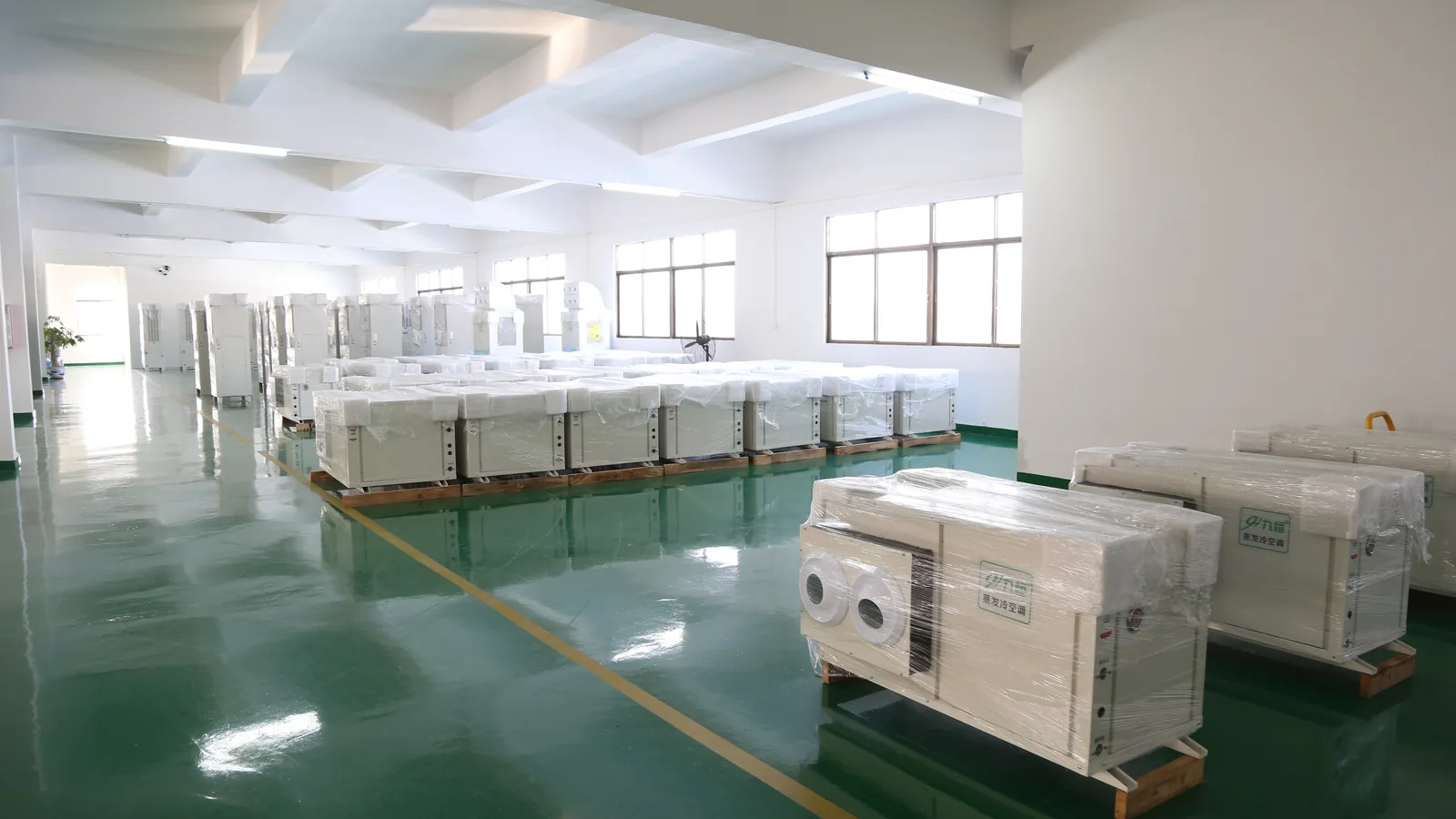
| Packing protection for panels and fittings | Reconcile it with the purchase order |
Recommended purchasing workflow
- Confirm the collector schedule and drawings. Record the responsible party, required evidence and approval status so commercial and technical teams work from the same revision.
- Review materials and connection details. Record the responsible party, required evidence and approval status so commercial and technical teams work from the same revision.
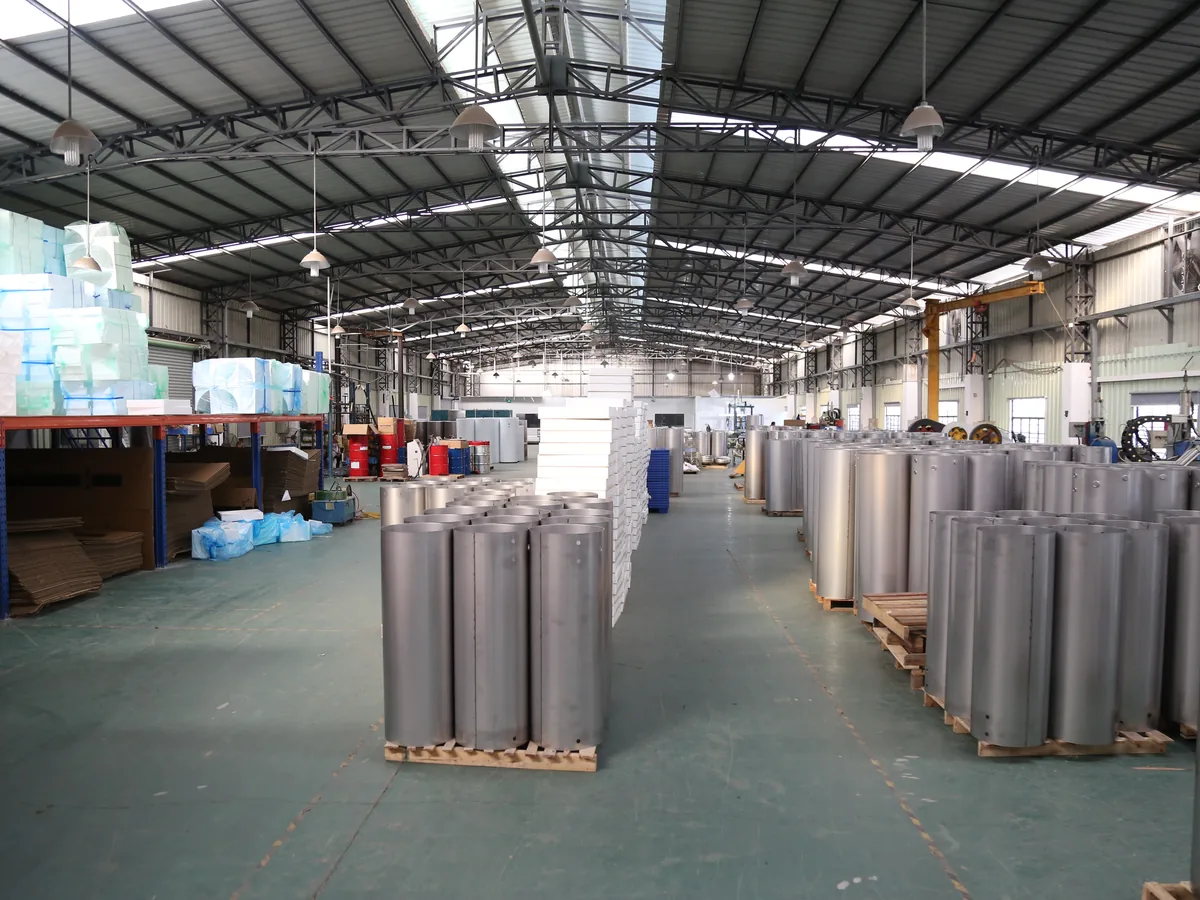
- Assemble the absorber, insulation, glazing and frame. Record the responsible party, required evidence and approval status so commercial and technical teams work from the same revision.
- Inspect visible sealing and dimensional requirements. Record the responsible party, required evidence and approval status so commercial and technical teams work from the same revision.
- Protect corners, glazing and connections for transport. Record the responsible party, required evidence and approval status so commercial and technical teams work from the same revision.
Common sourcing mistakes
- Comparing collectors only by gross area. Avoid it by resolving the requirement in writing before the order reaches final production or packing.
- Assuming all selective coatings perform identically. Avoid it by resolving the requirement in writing before the order reaches final production or packing.
- Ordering before confirming roof layout and hydraulic design. Avoid it by resolving the requirement in writing before the order reaches final production or packing.
Related site resources
Buyer FAQs
Is collector area the same as aperture area?
Not necessarily. Ask which area is being quoted and use consistent definitions when comparing.
Can the collector be selected without a system design?
A preliminary selection is possible, but final quantity depends on load, climate, orientation, storage and controls.
What shipping damage is most common?
Glazing, corners and exposed connections require careful protection. Agree on packing and inspection steps.
Should buyers ask for drawings?
Yes, especially connection locations, dimensions and mounting interfaces.
Does a collector replace backup heating?
Not automatically. Backup strategy depends on climate, load profile and the required continuity of service.
Prepare your inquiry
For a review related to flat plate solar collector assembly, submit the product type, required capacity or size, operating environment, customization requirements, estimated quantity, packaging expectations, destination country and requested delivery window. Include drawings or schedules when available so open assumptions can be identified before quotation.
A complete specification is the most reliable way to compare suppliers and move a project toward production without avoidable revisions.