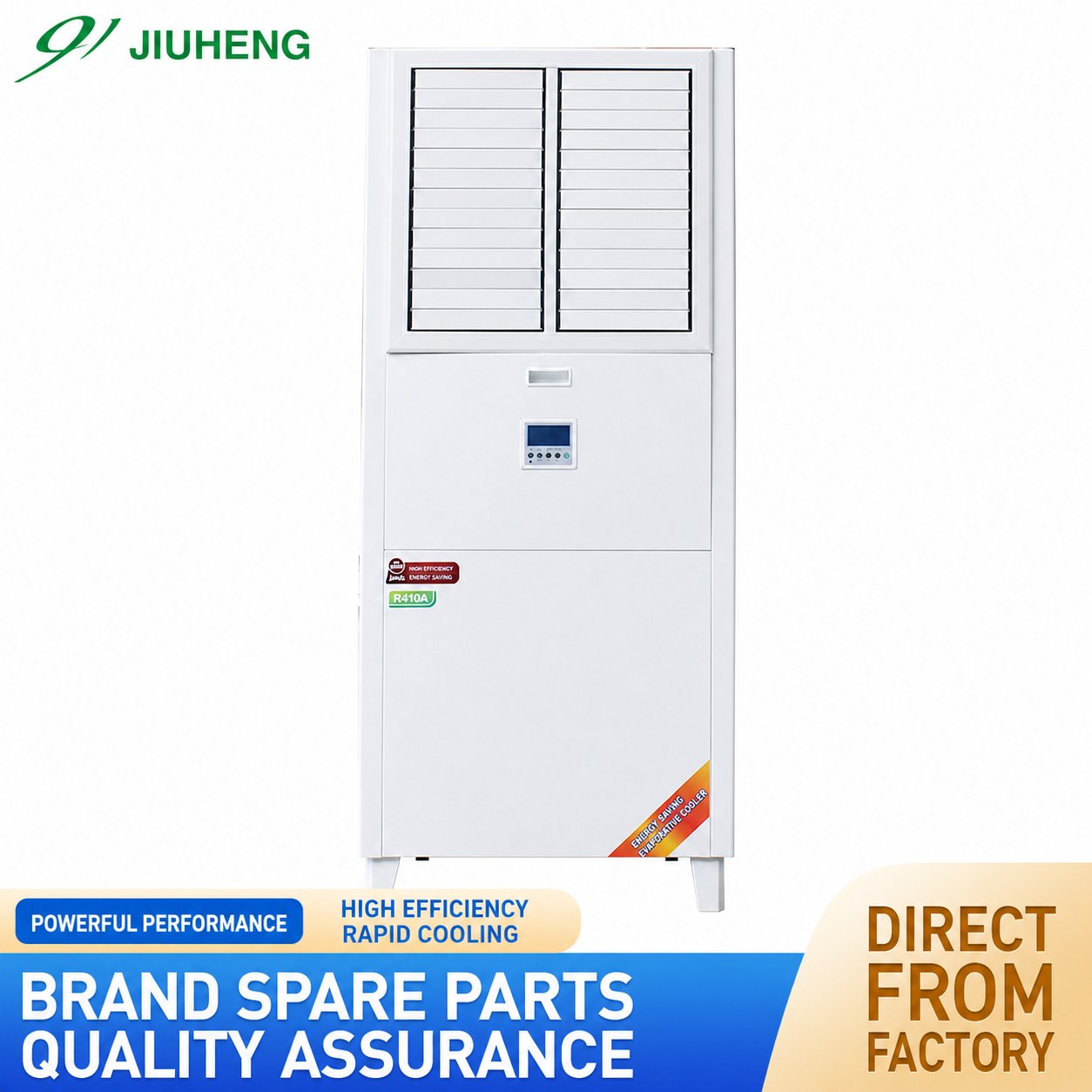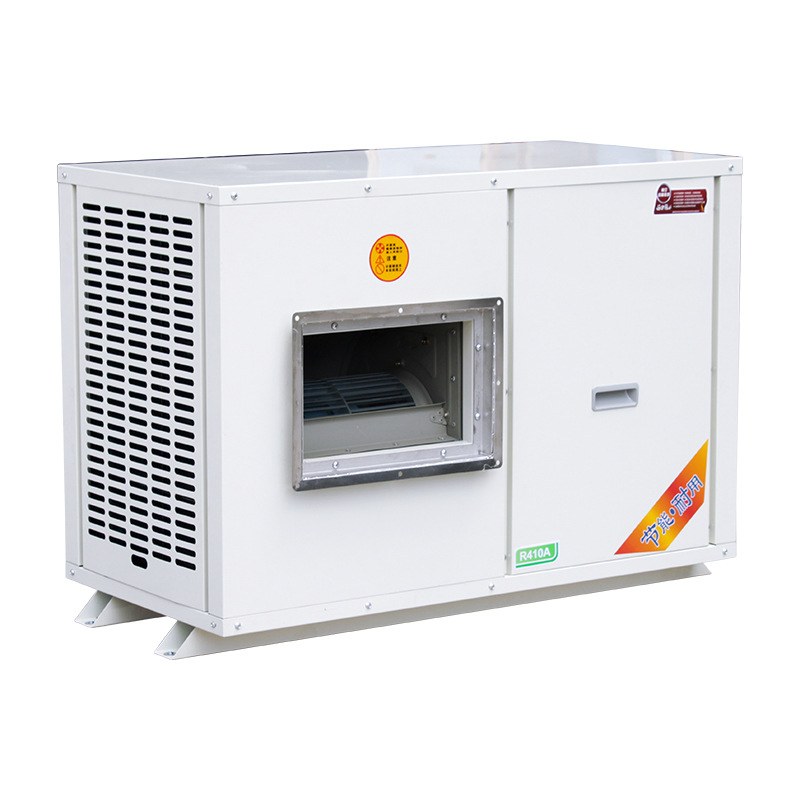
How Industrial Cooling Equipment Moves Through Production
A practical production-review framework for importers sourcing evaporative coolers, process chillers and workshop cooling equipment.
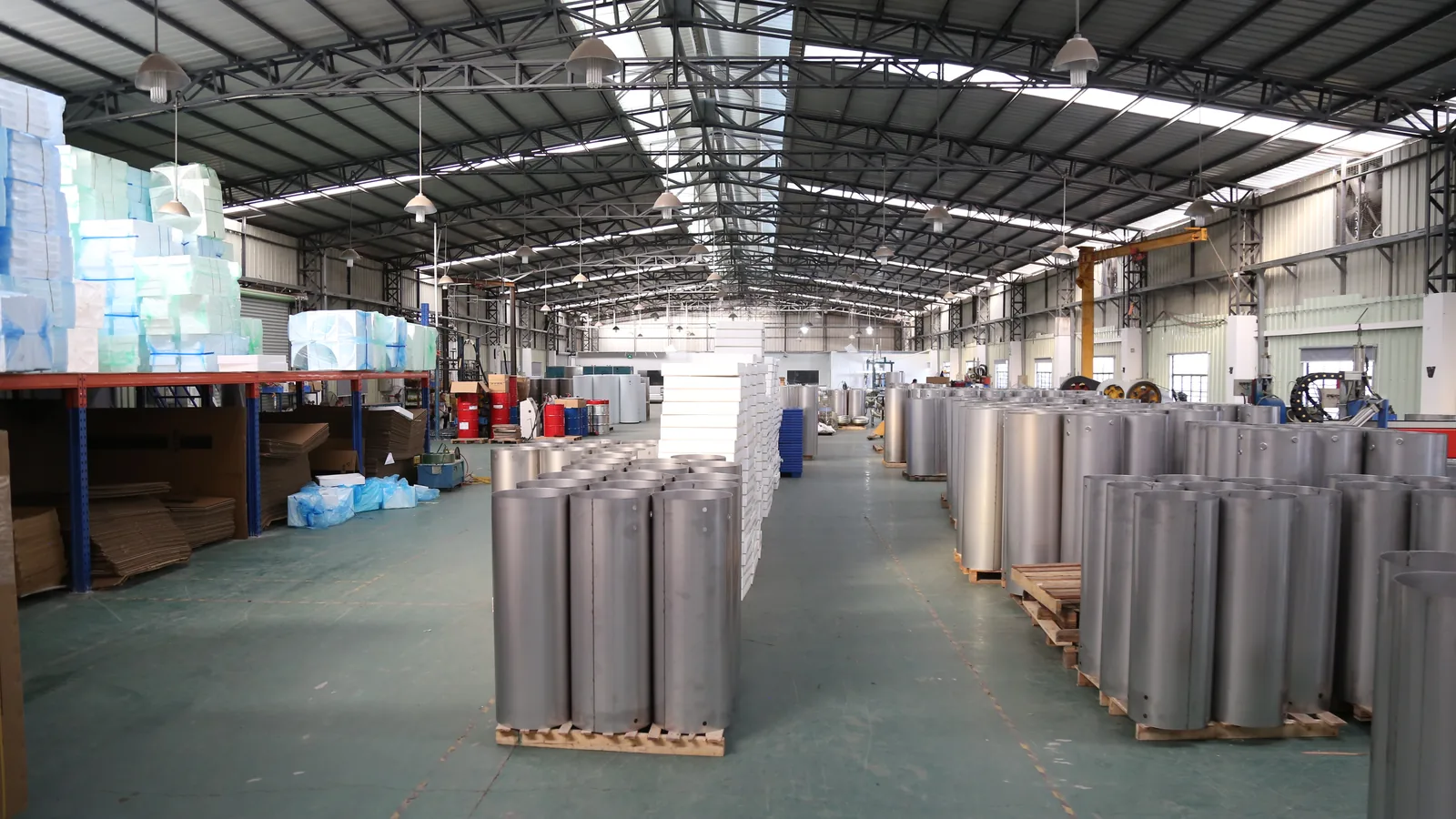
What buyers should establish first
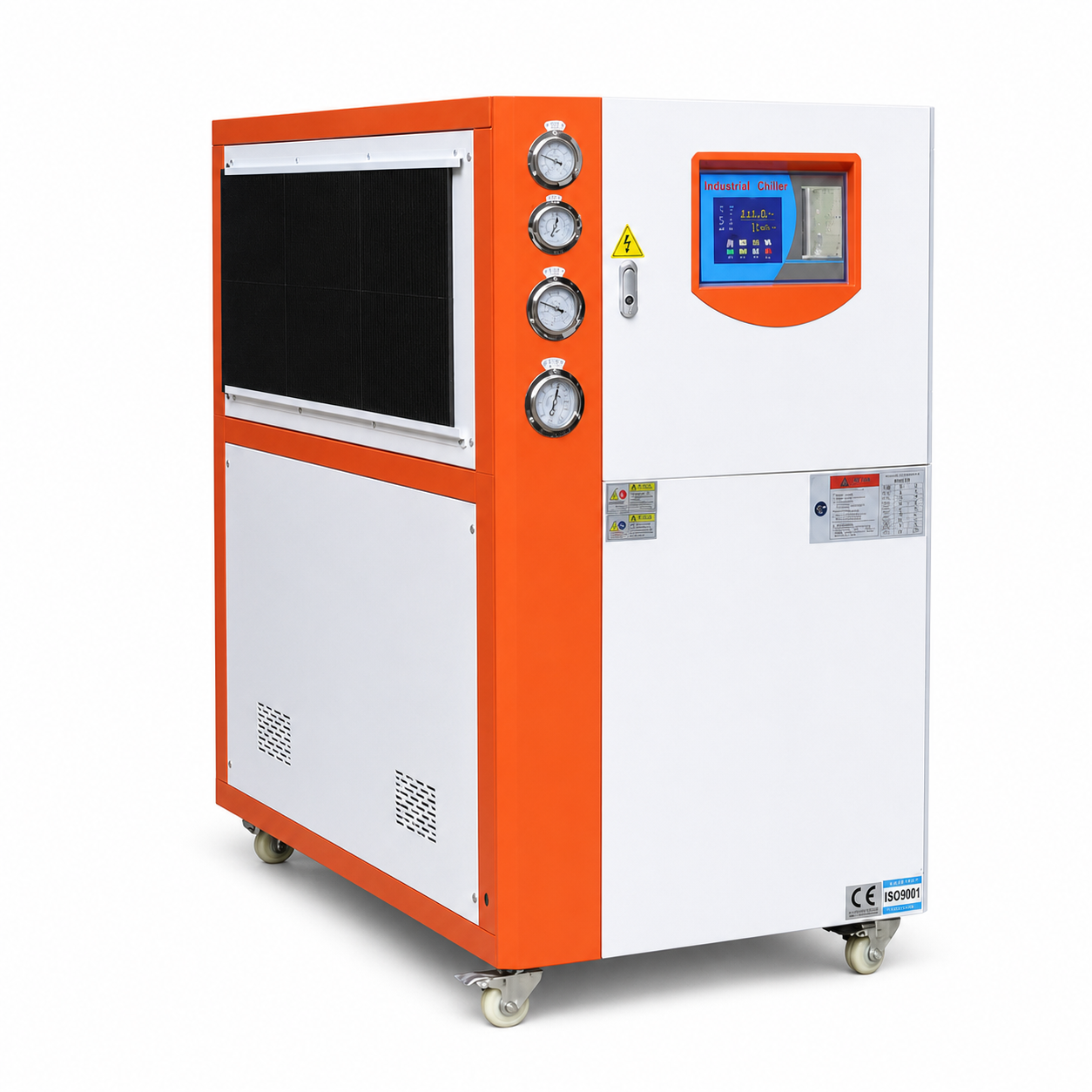
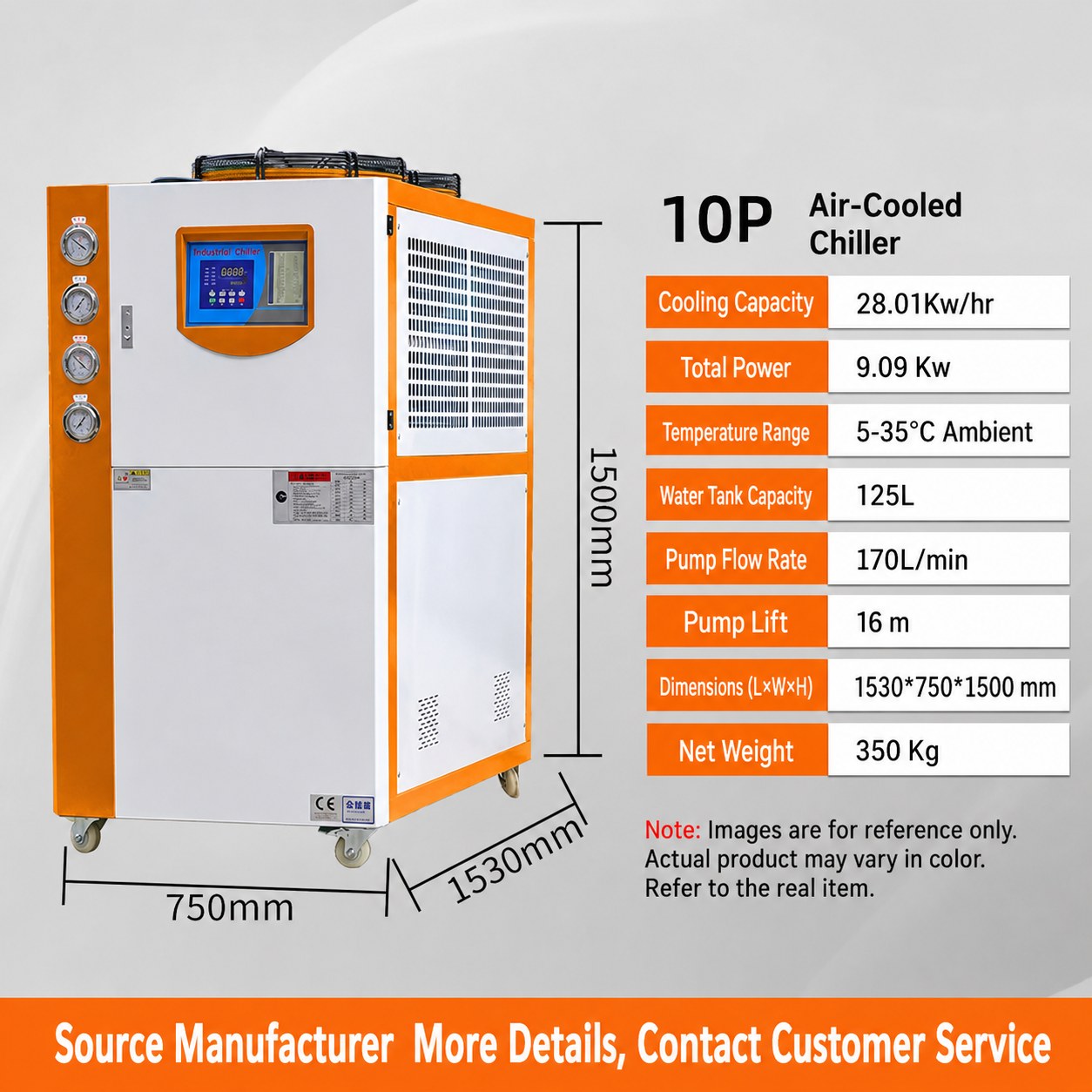
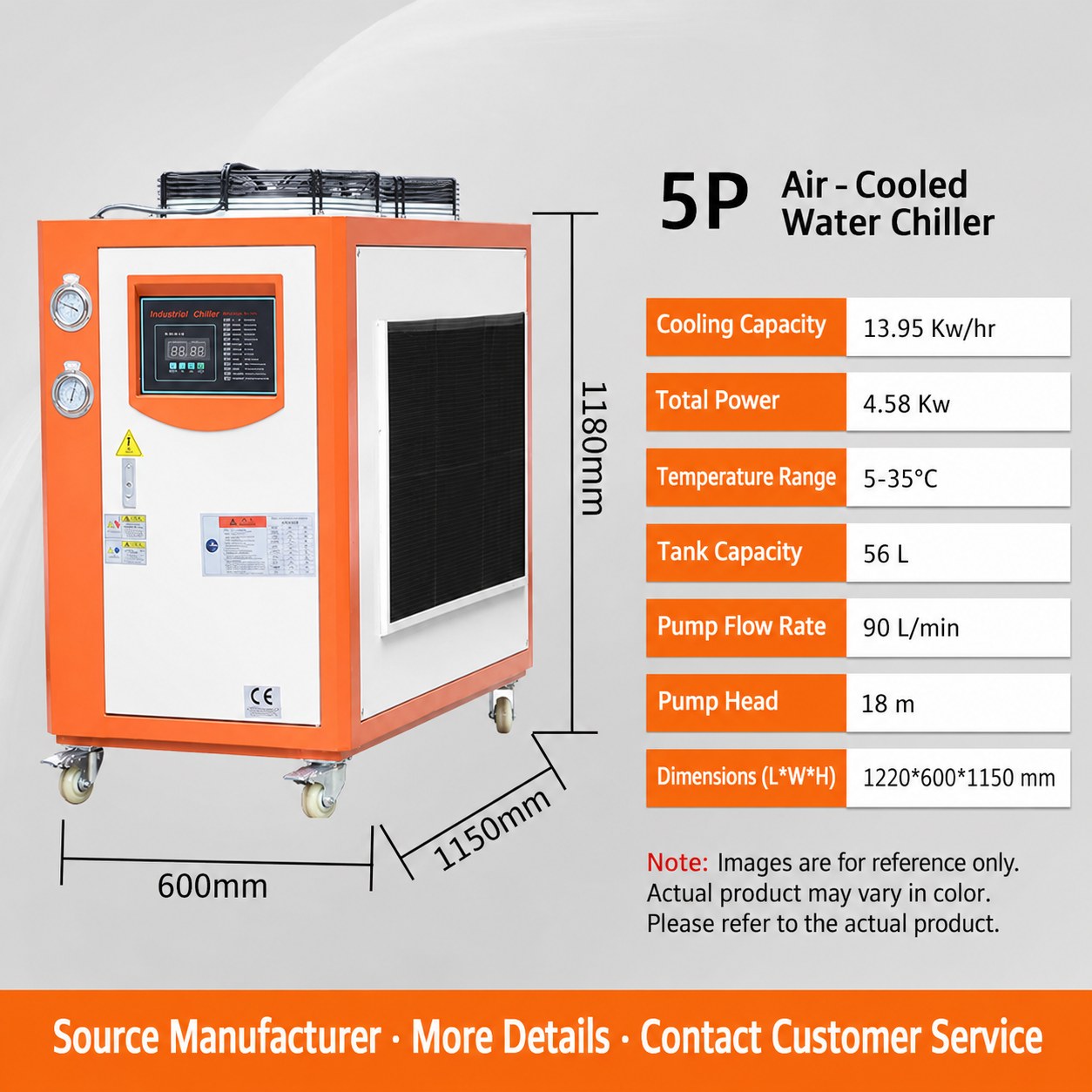
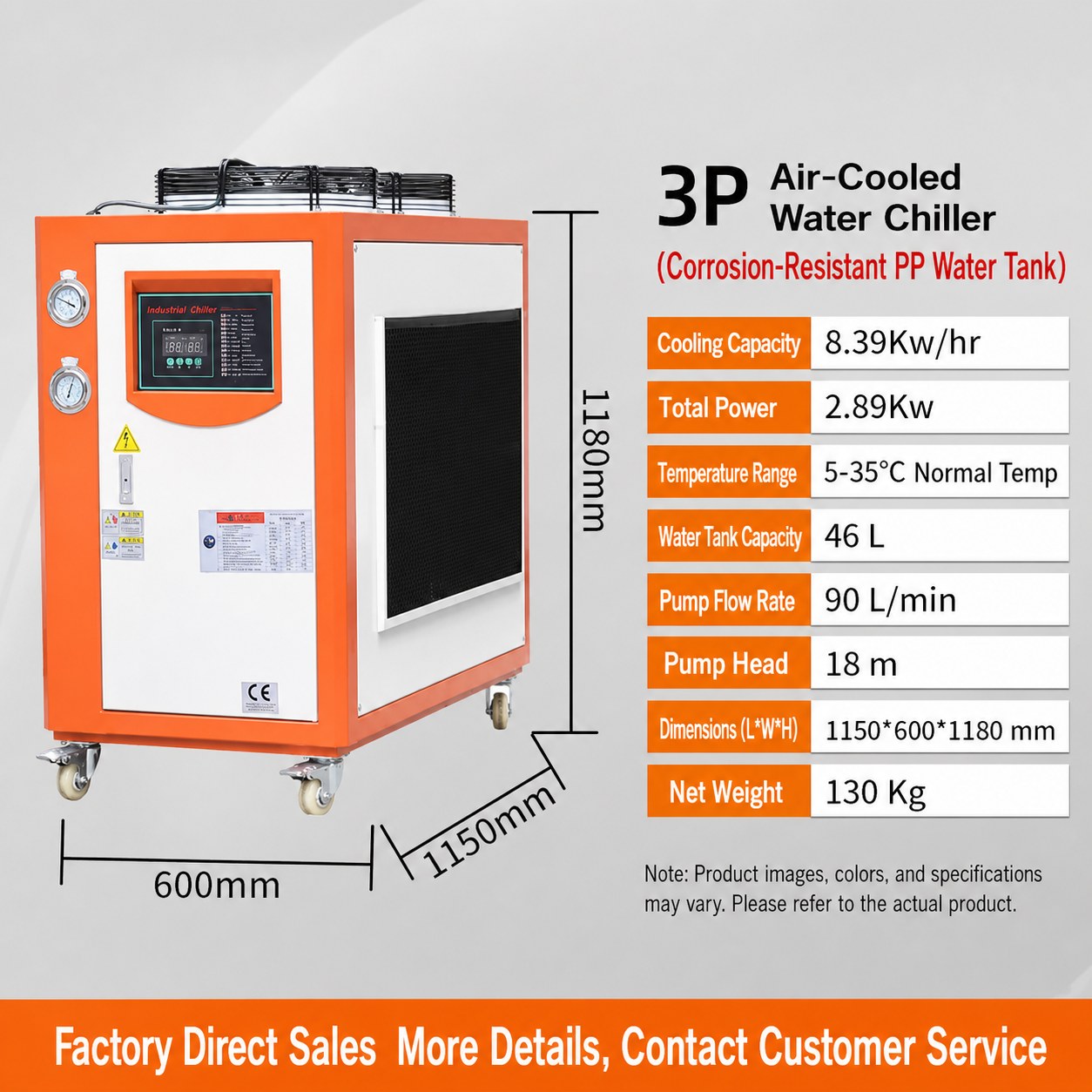
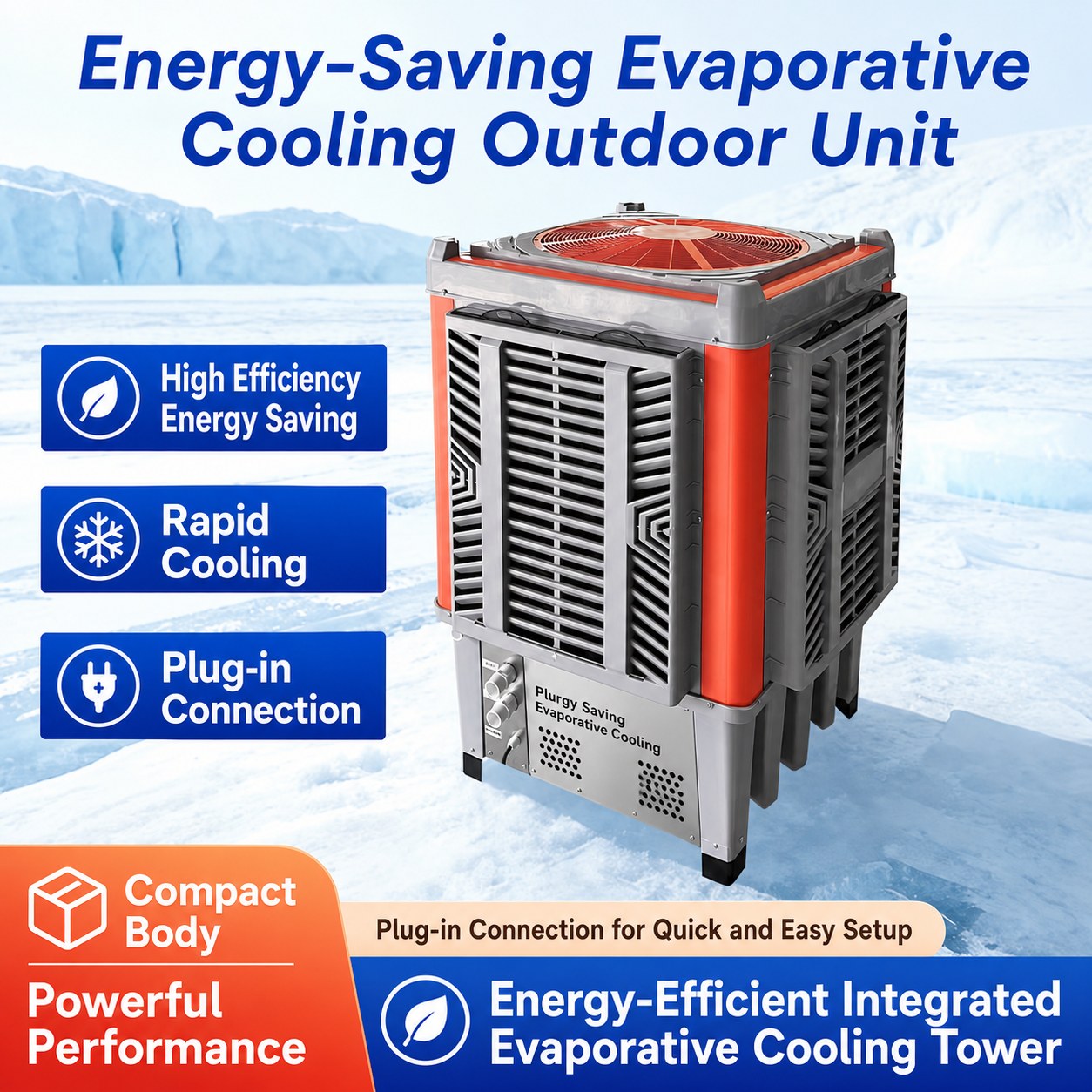
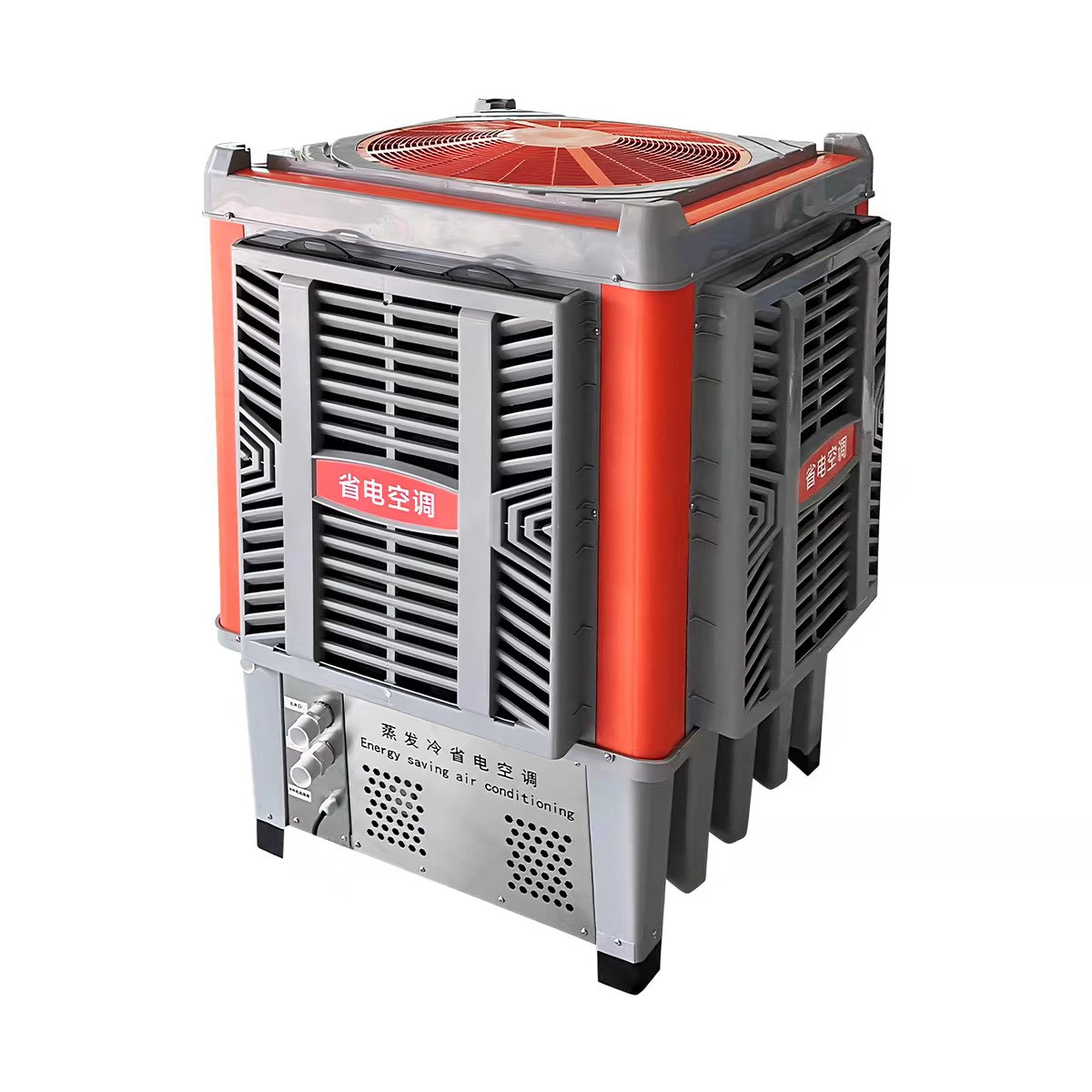
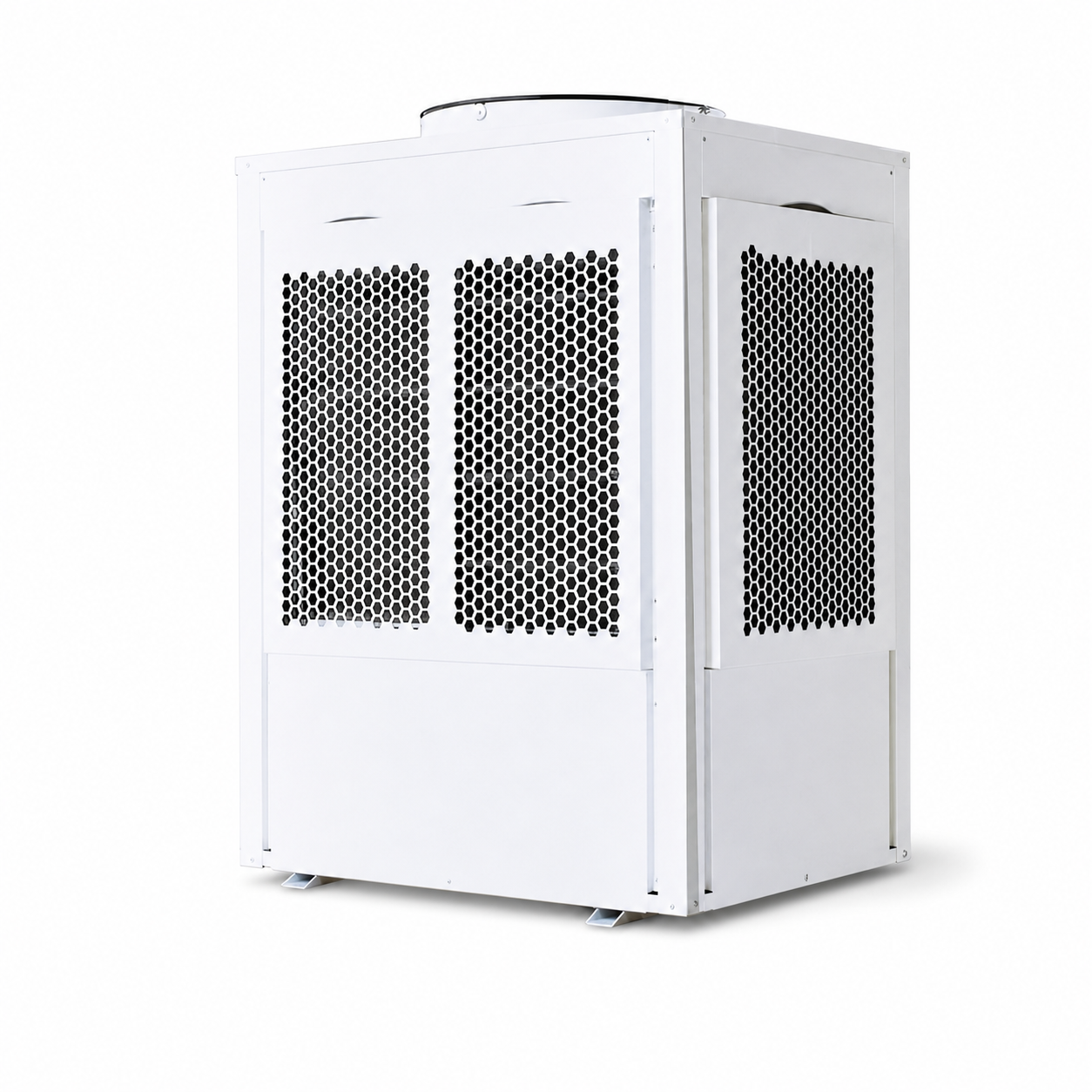
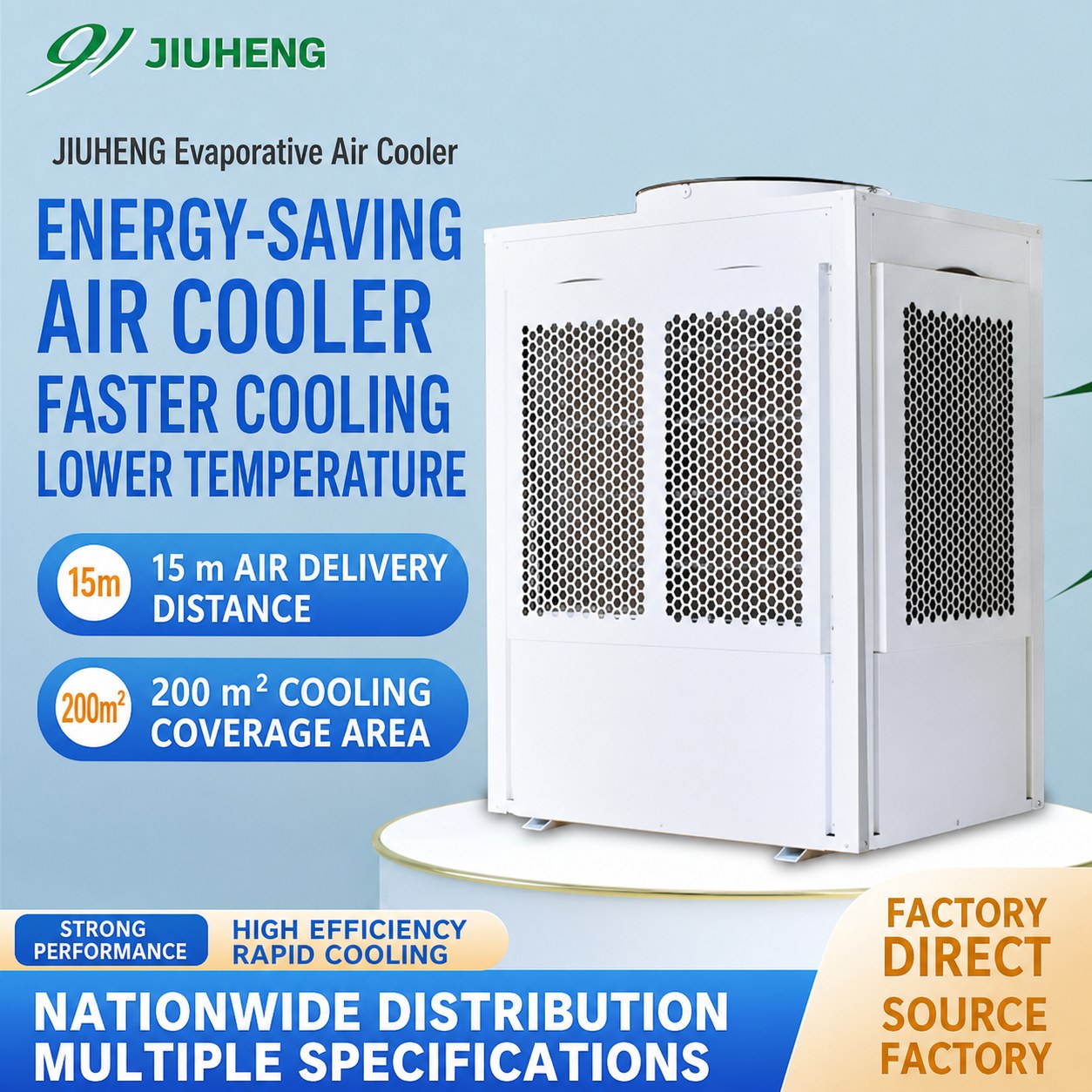
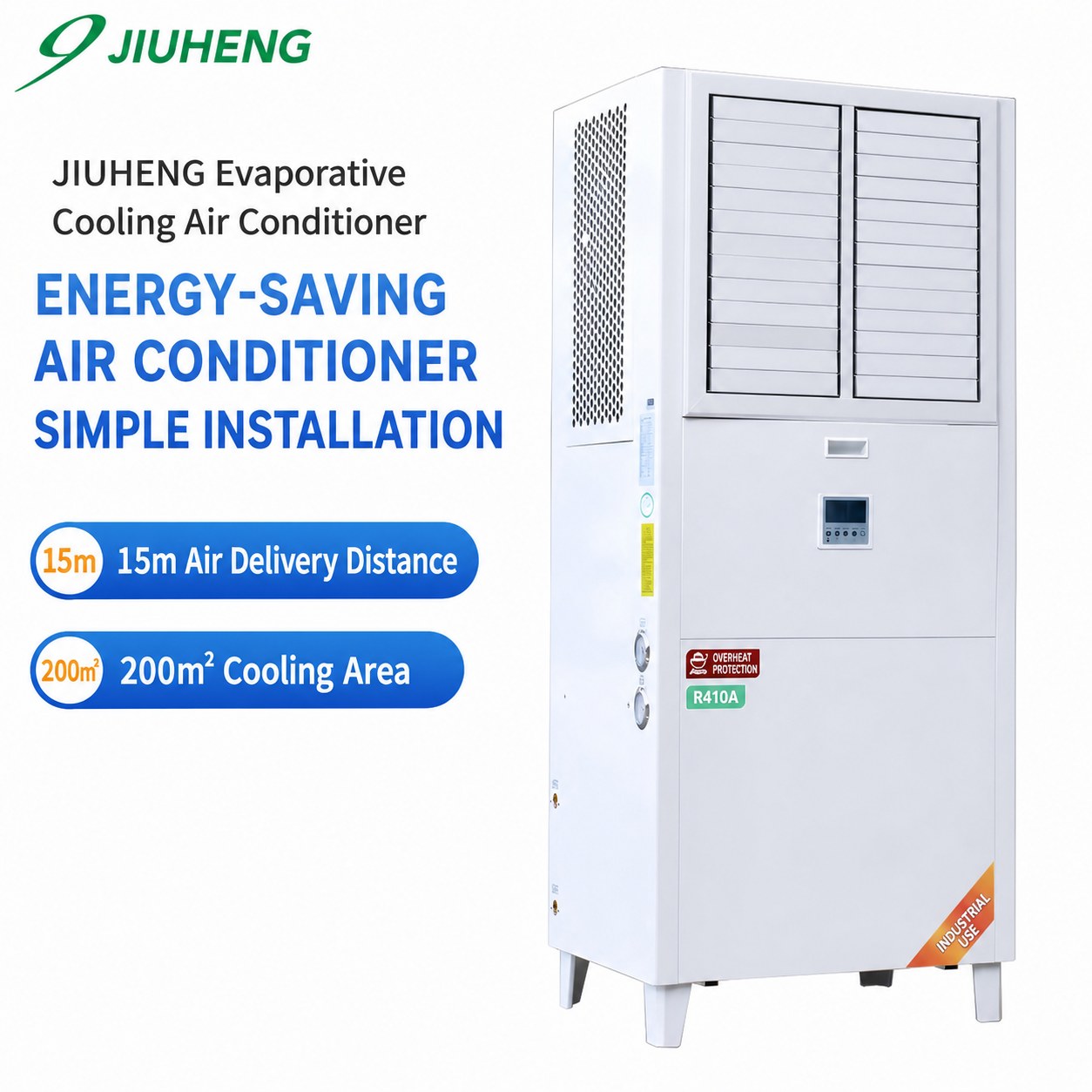
Industrial cooling products can look similar while serving very different loads. The production file should clearly identify whether the equipment is intended for comfort cooling, fresh-air evaporative cooling or process-water temperature control.
Use the final purchase specification as the controlling document. If a requirement cannot be verified from the current product information, record it as an open item and confirm it with the supplier based on the final specification.
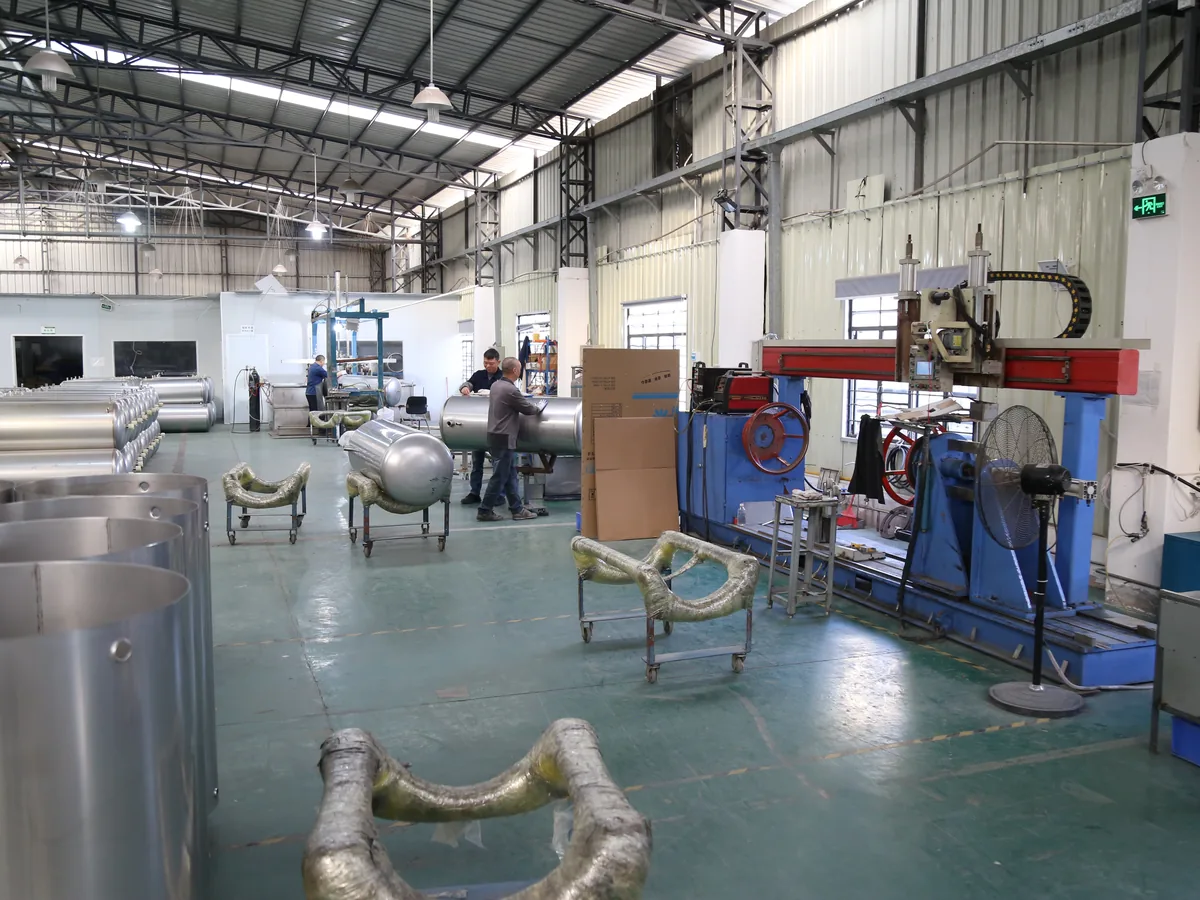
industrial cooling equipment production: selection and review criteria
| Review item | Buyer action |
|---|---|
| Application and design conditions | Define it in measurable terms |
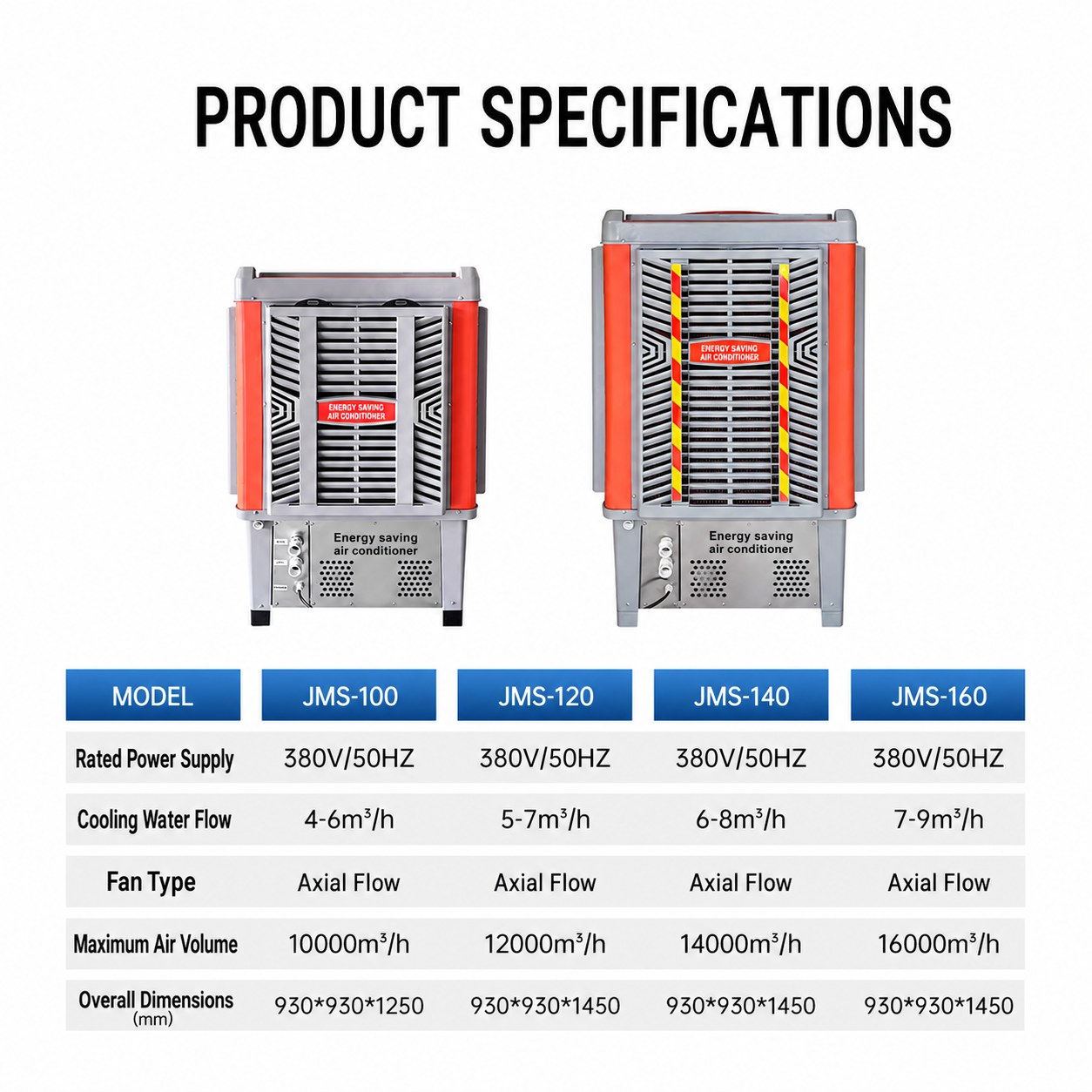
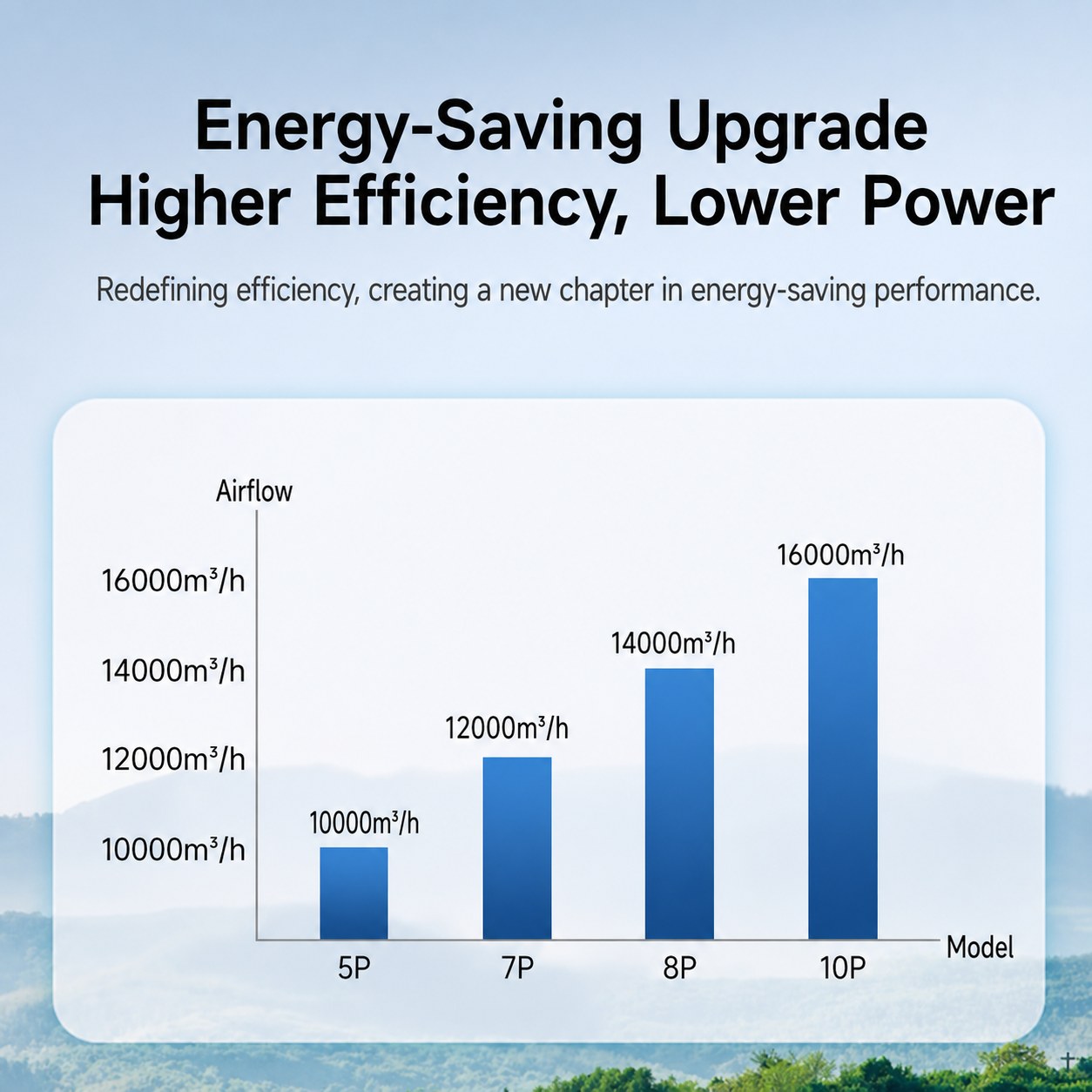
| Airflow or water-flow requirements | Request the applicable drawing or record |
| Electrical and control configuration | Match it to the intended site conditions |
| Service access and installation arrangement | State acceptance criteria before production |
| Labels, accessories and shipment documentation | Reconcile it with the purchase order |
Recommended purchasing workflow
- Define the cooling duty and operating environment. Record the responsible party, required evidence and approval status so commercial and technical teams work from the same revision.
- Approve the equipment configuration. Record the responsible party, required evidence and approval status so commercial and technical teams work from the same revision.
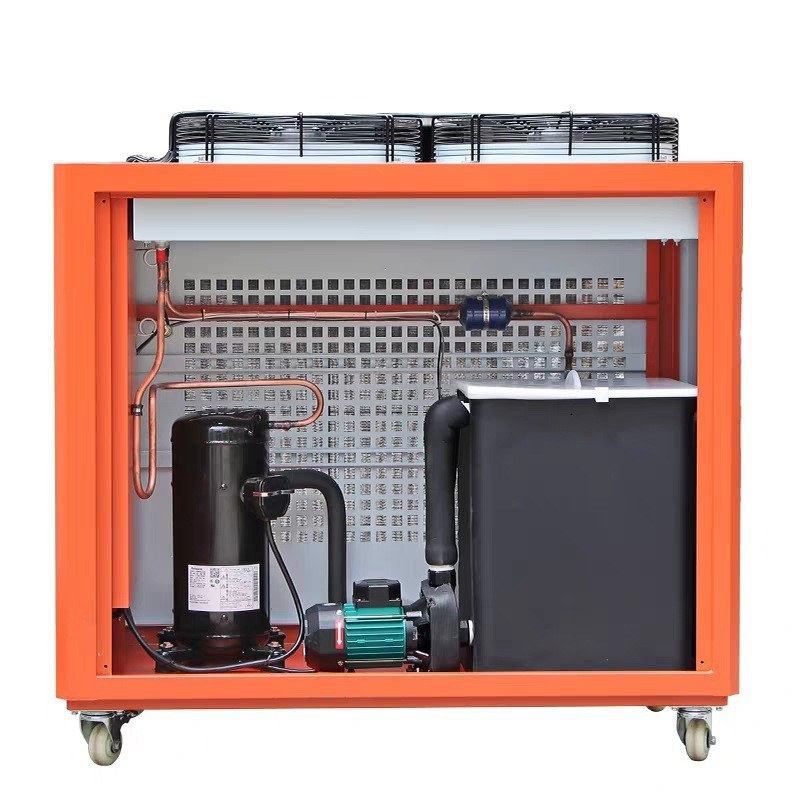
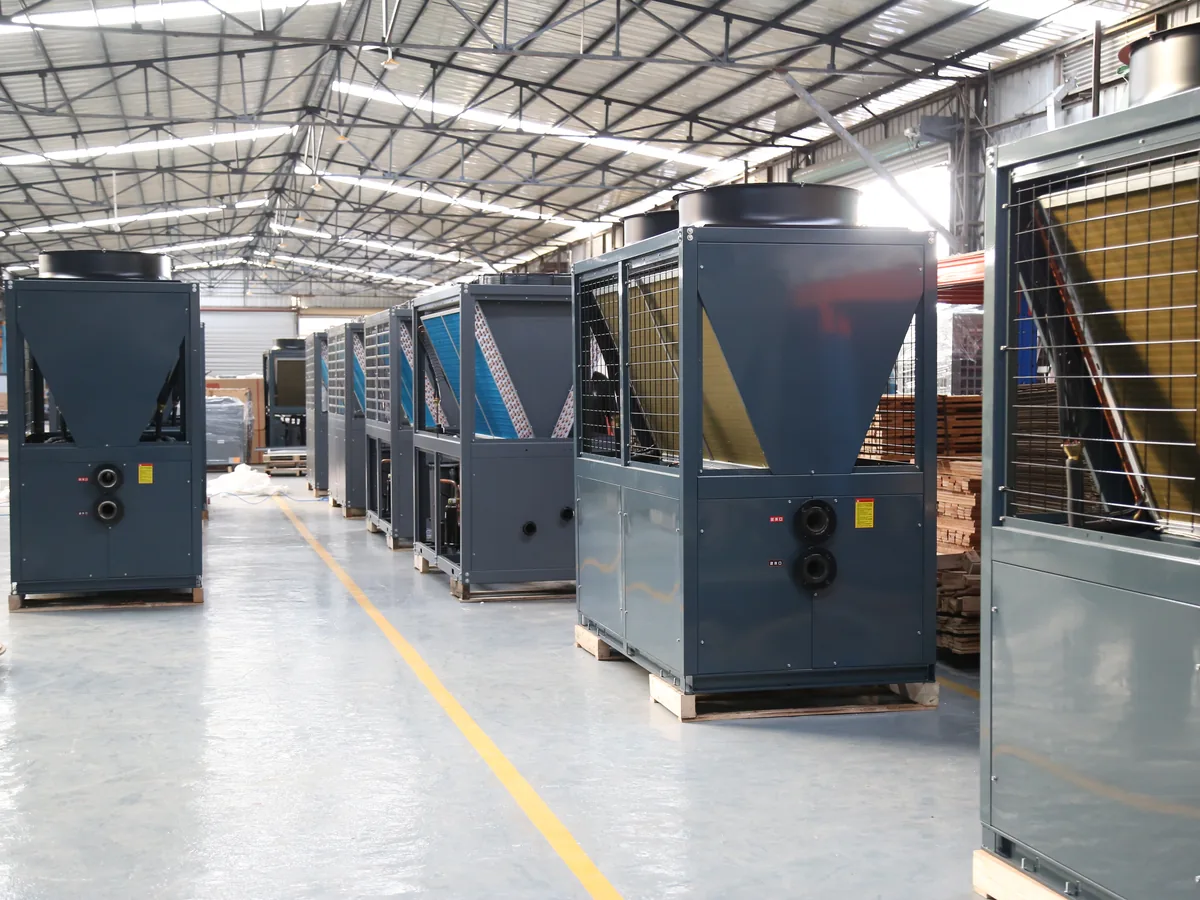
- Prepare cabinet, coil, fan, pump and control assemblies as applicable. Record the responsible party, required evidence and approval status so commercial and technical teams work from the same revision.
- Complete applicable production checks. Record the responsible party, required evidence and approval status so commercial and technical teams work from the same revision.
- Verify order identity and packing. Record the responsible party, required evidence and approval status so commercial and technical teams work from the same revision.
Common sourcing mistakes
- Using horsepower as the only comparison. Avoid it by resolving the requirement in writing before the order reaches final production or packing.
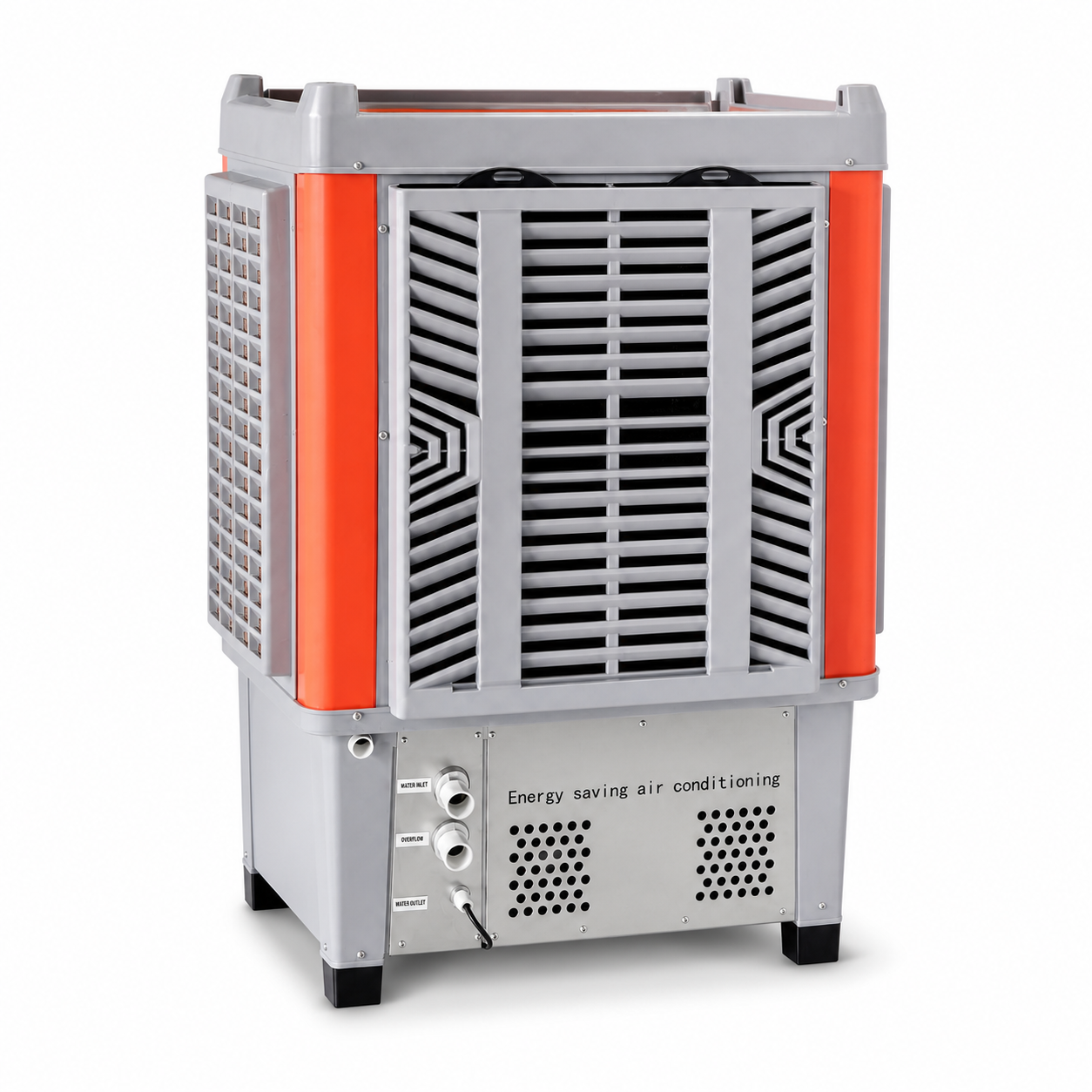
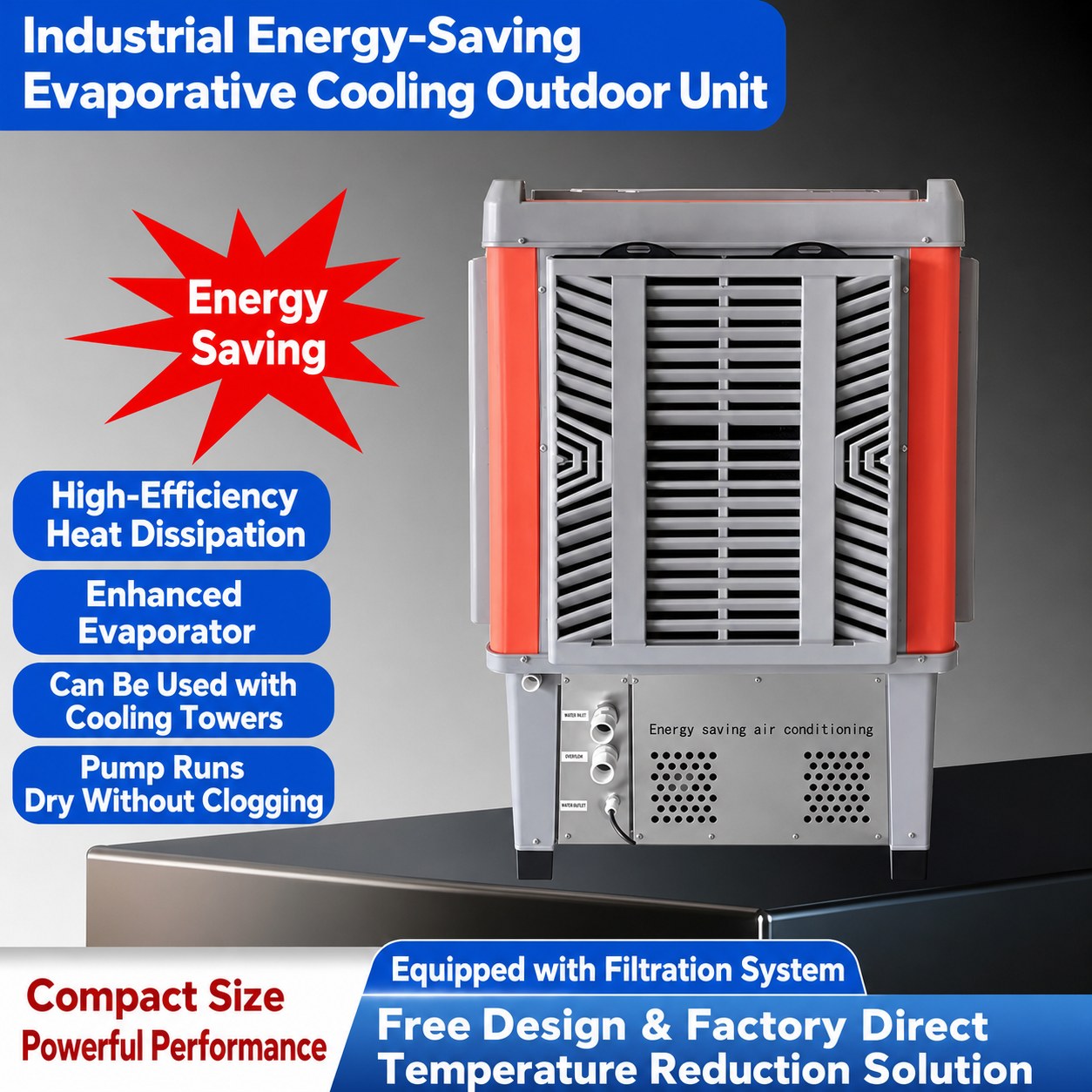
- Confusing evaporative cooling with vapor-compression air conditioning. Avoid it by resolving the requirement in writing before the order reaches final production or packing.
- Ignoring humidity, ventilation or process-fluid requirements. Avoid it by resolving the requirement in writing before the order reaches final production or packing.
Related site resources
Buyer FAQs
Is evaporative cooling suitable in humid climates?
Performance depends strongly on entering dry-bulb and wet-bulb conditions. Review local design data before selection.
How should airflow be specified?
Provide the occupied area, heat sources, ventilation needs, duct arrangement and acceptable air velocity.
Does a process chiller use the same selection method?
No. Fluid type, entering and leaving temperatures, flow and process heat load are central inputs.
What electrical details are needed?
Confirm voltage, phase, frequency, available current and applicable local requirements.
Can controls be customized?
Available options depend on the final model and project. State the required signals and interfaces in the inquiry.
Prepare your inquiry
For a review related to industrial cooling equipment production, submit the product type, required capacity or size, operating environment, customization requirements, estimated quantity, packaging expectations, destination country and requested delivery window. Include drawings or schedules when available so open assumptions can be identified before quotation.
A complete specification is the most reliable way to compare suppliers and move a project toward production without avoidable revisions.